
Last updated September 10, 2026
Full 25-point door and opener safety check with every visit - springs, cables, rollers, tracks, and your LiftMaster or Chamberlain opener included
You get a price before we start. It does not change when the truck arrives.
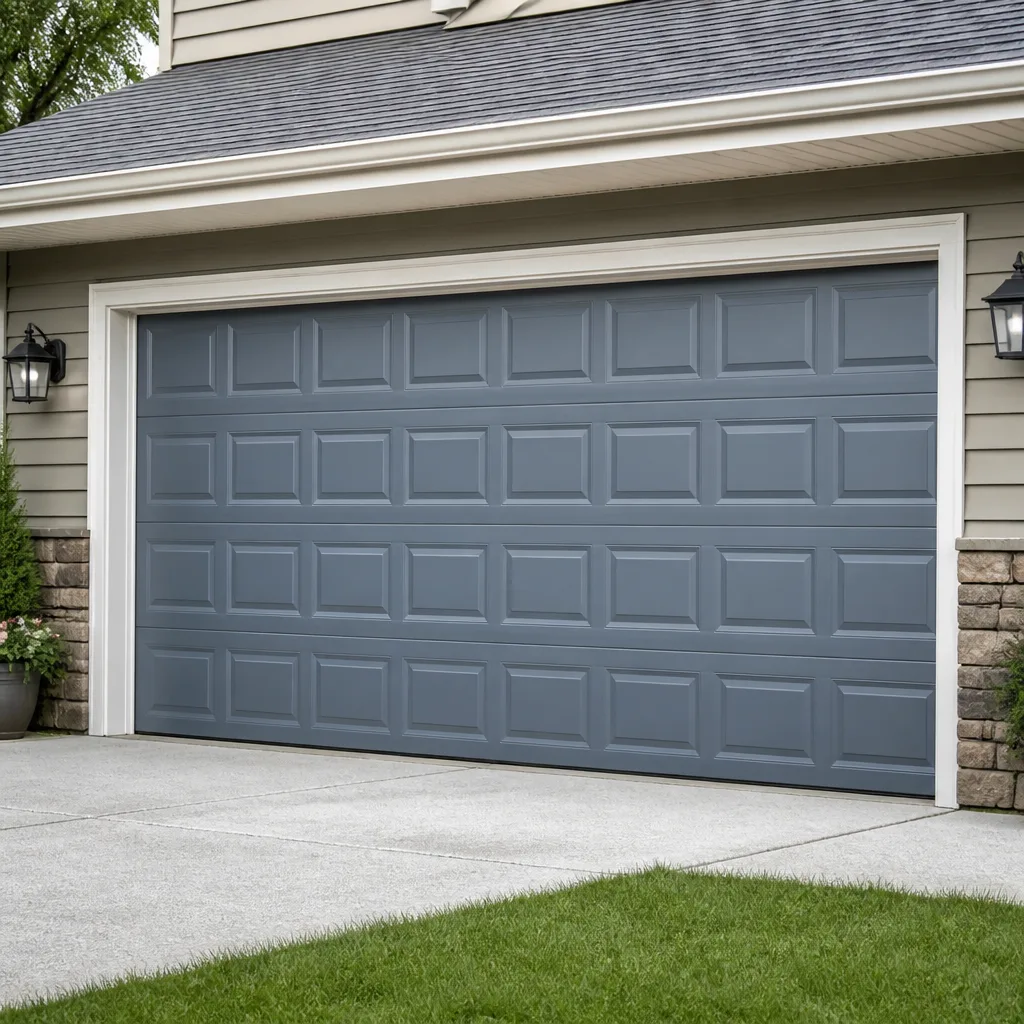
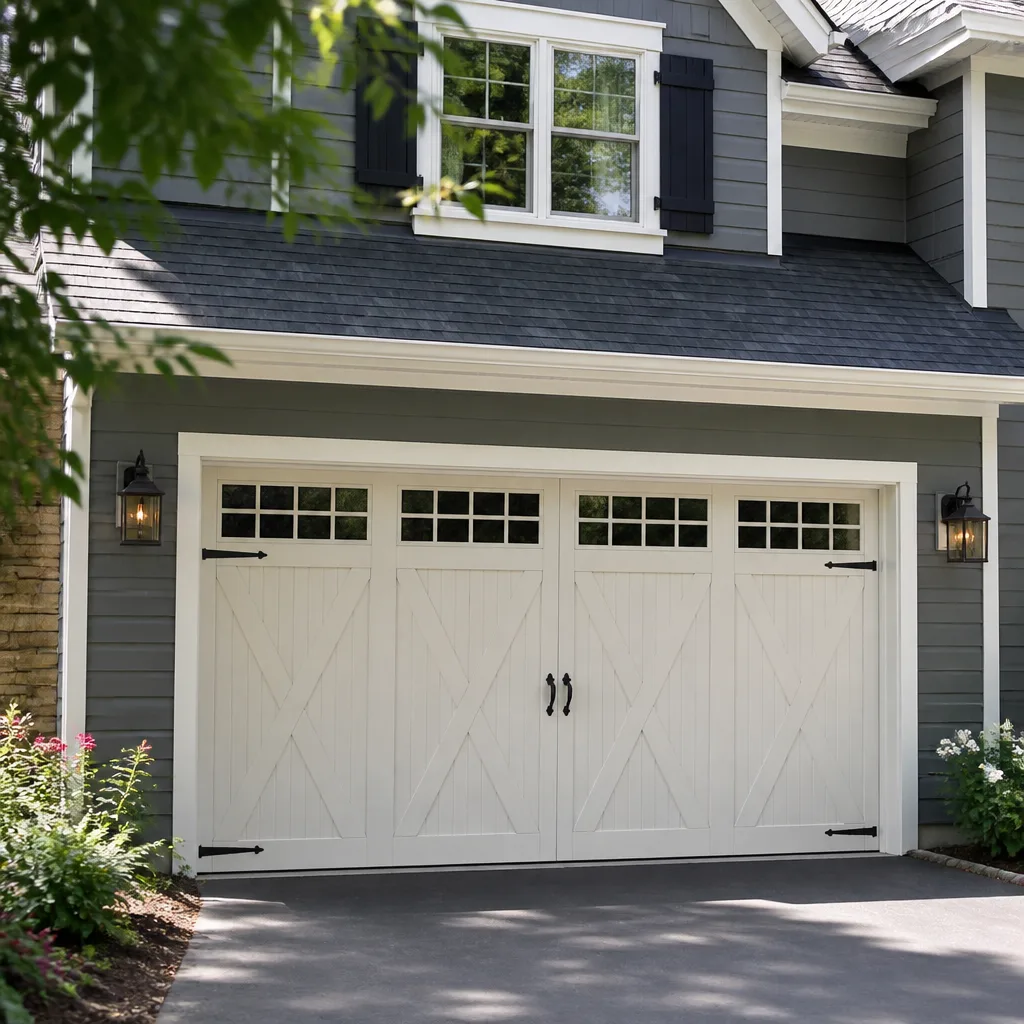
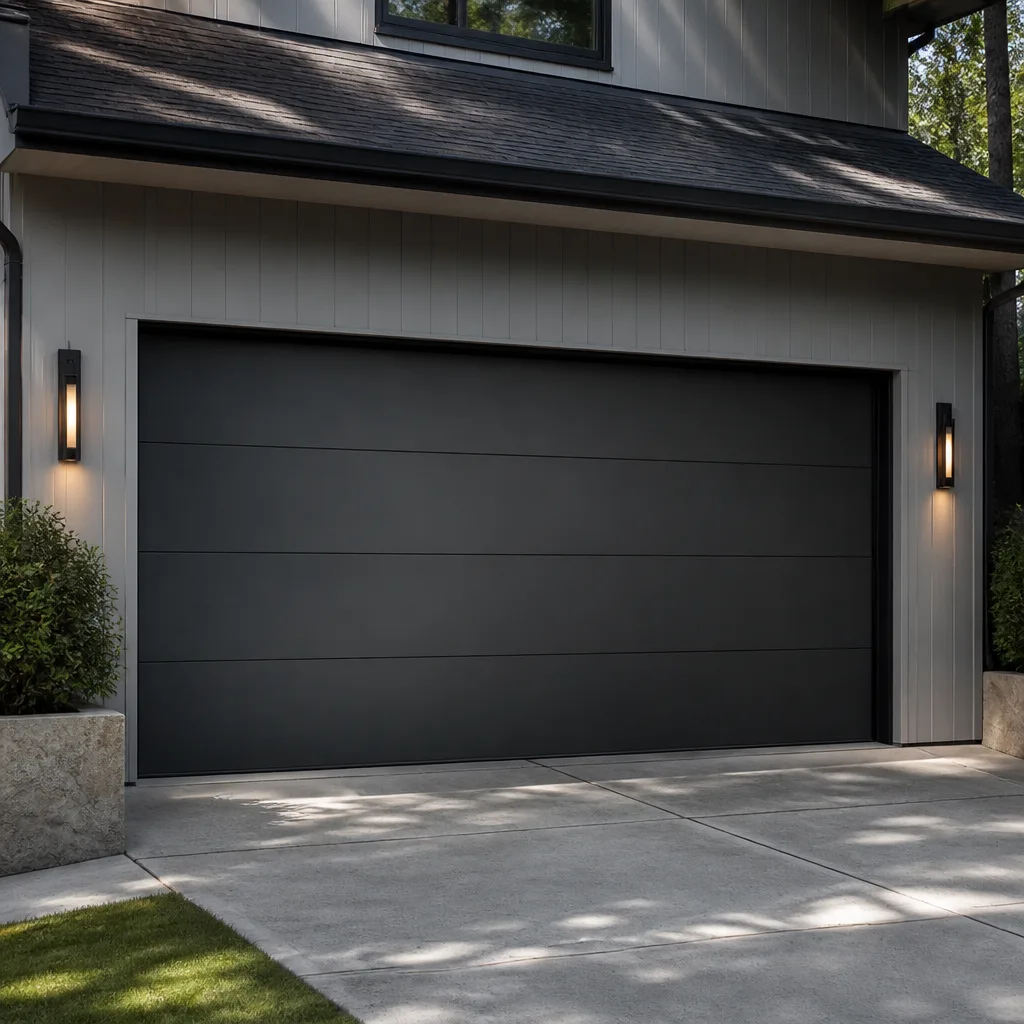
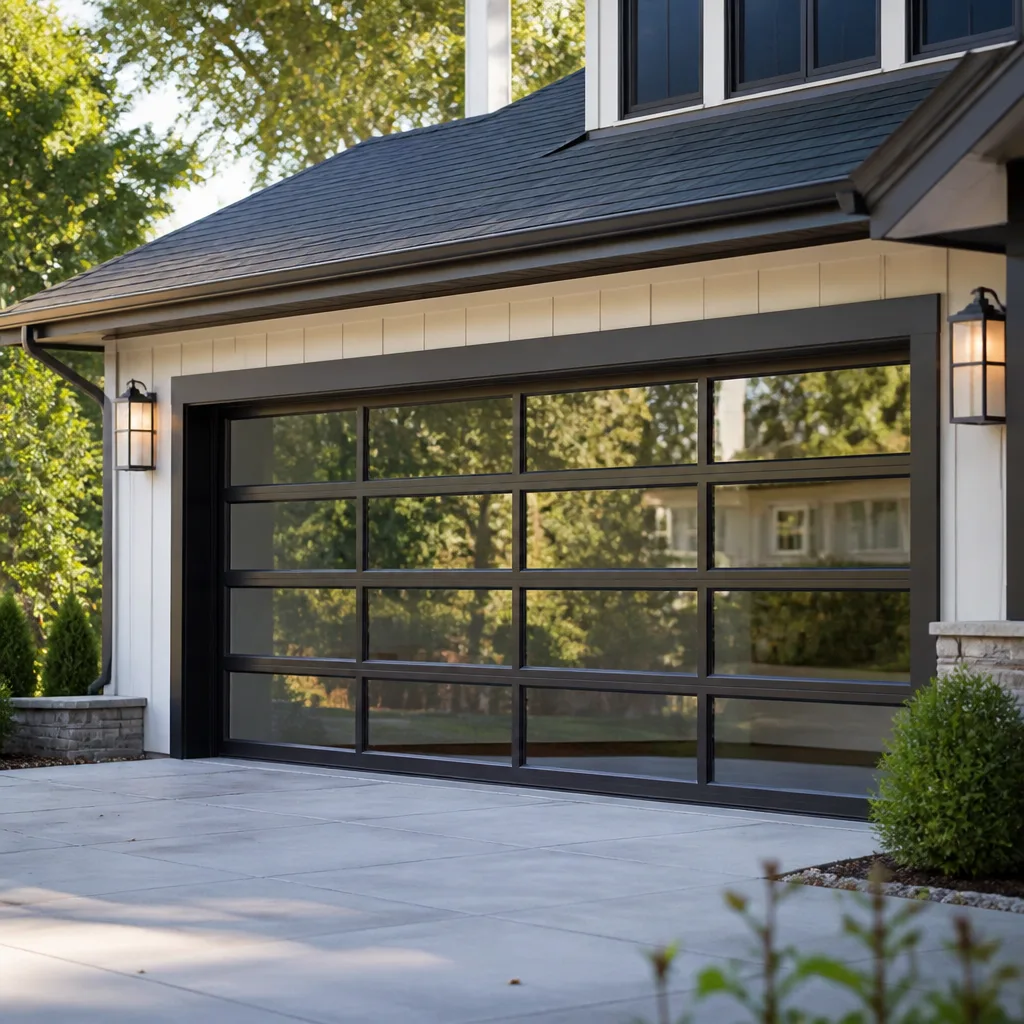
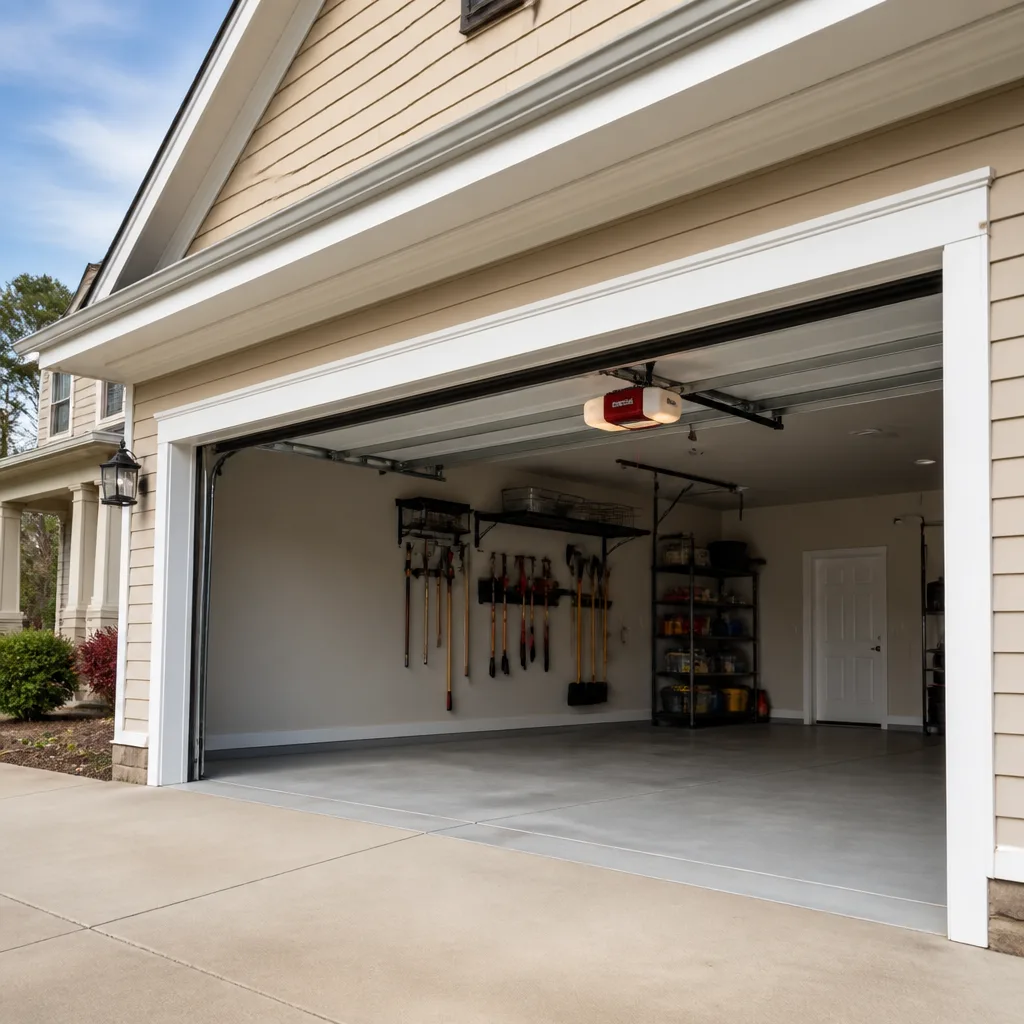
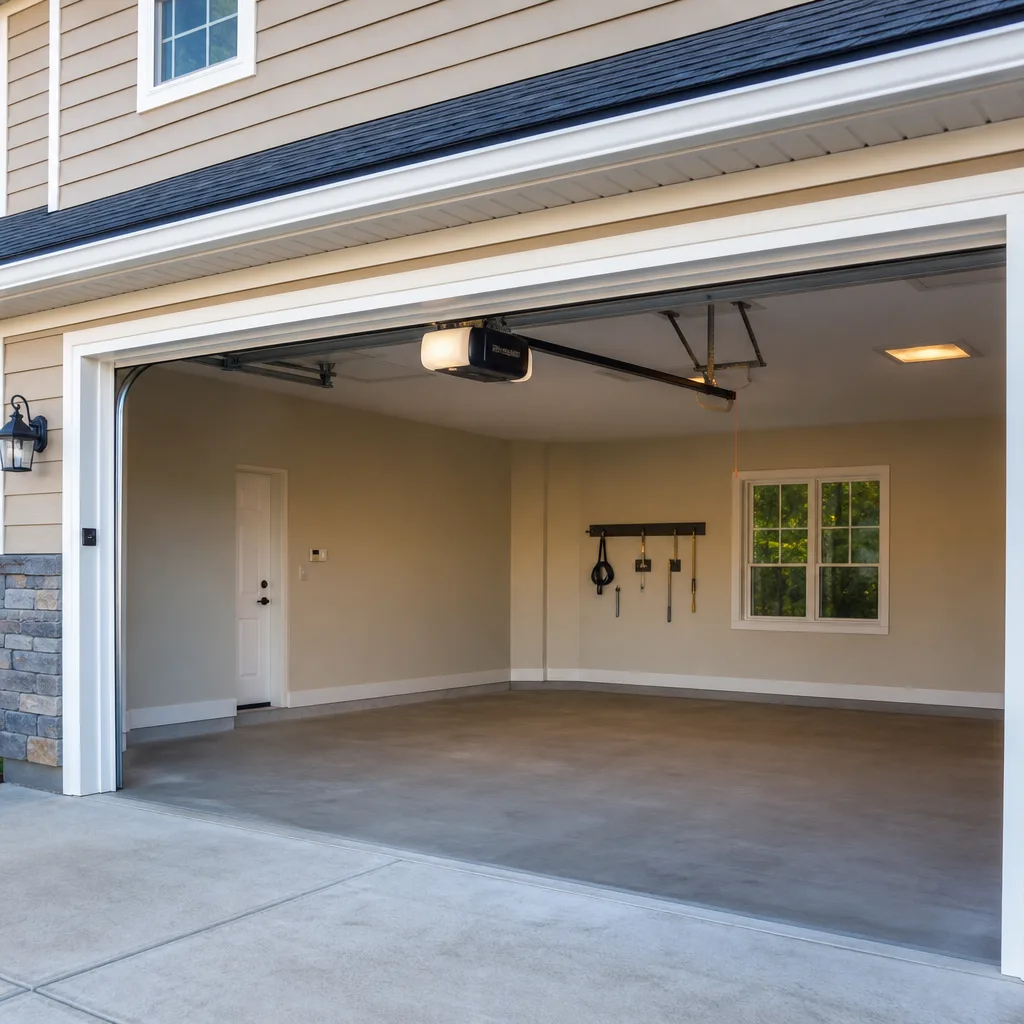
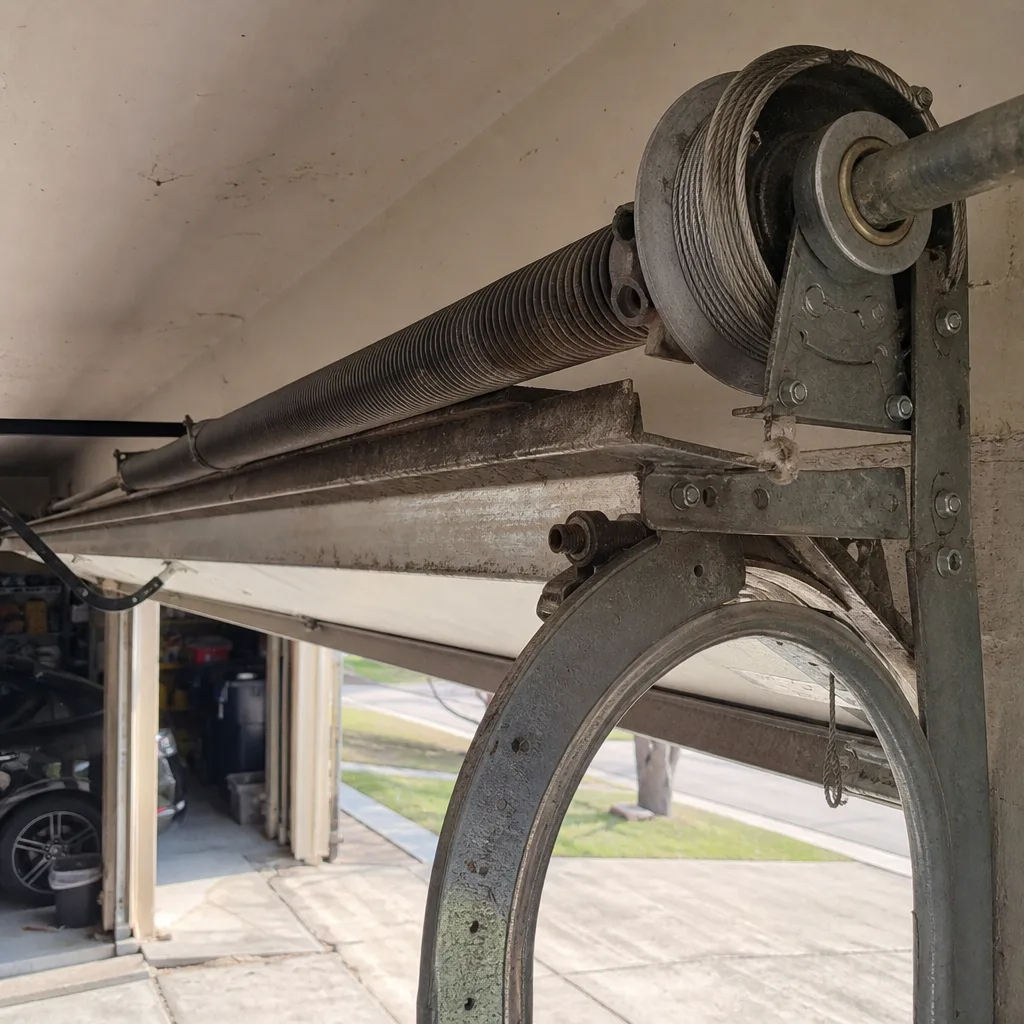 Before
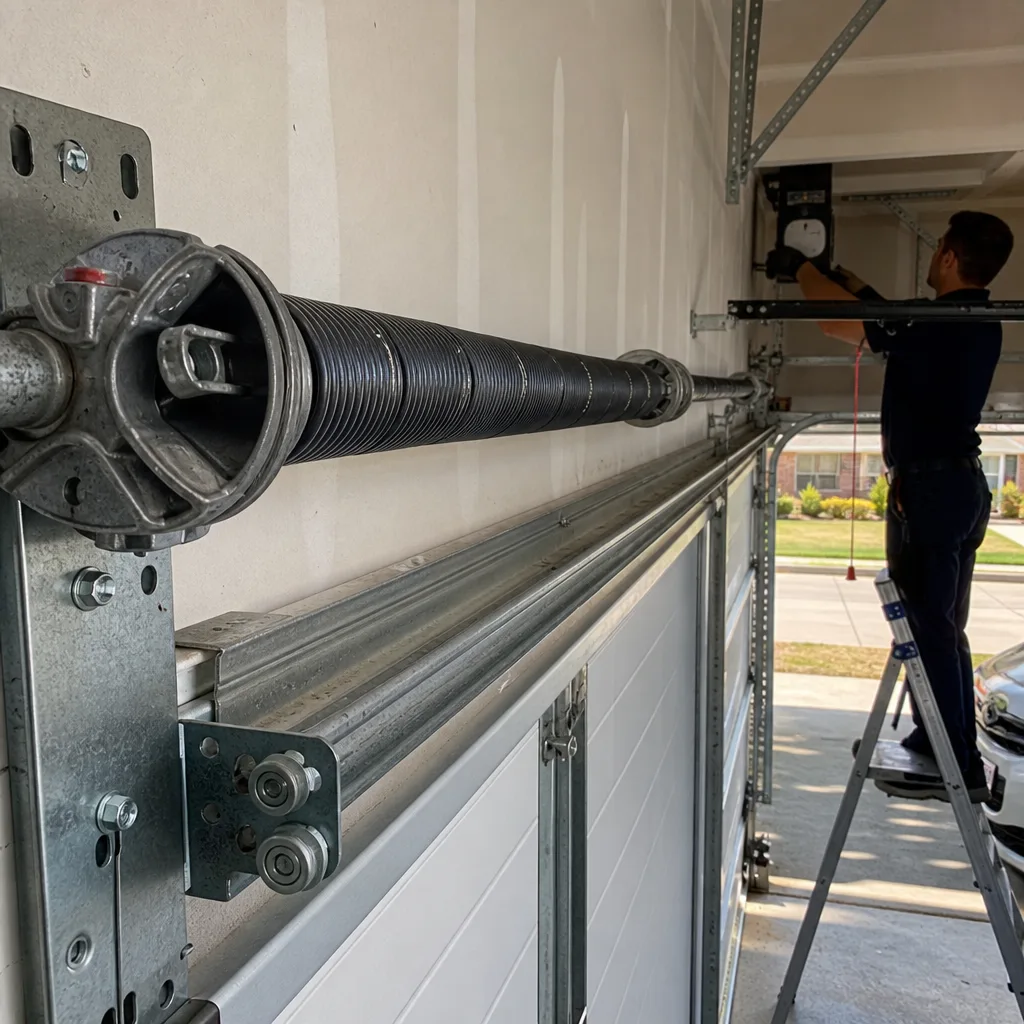 After
After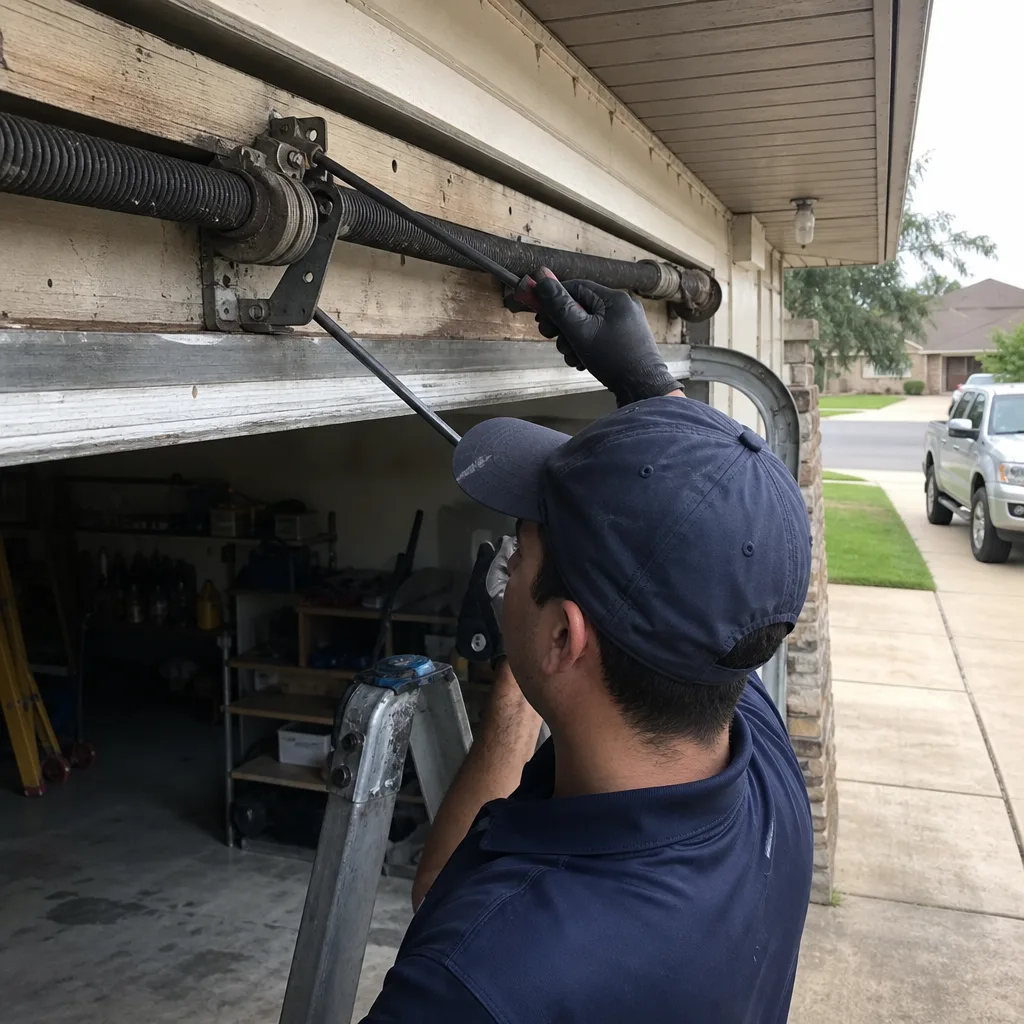 Before
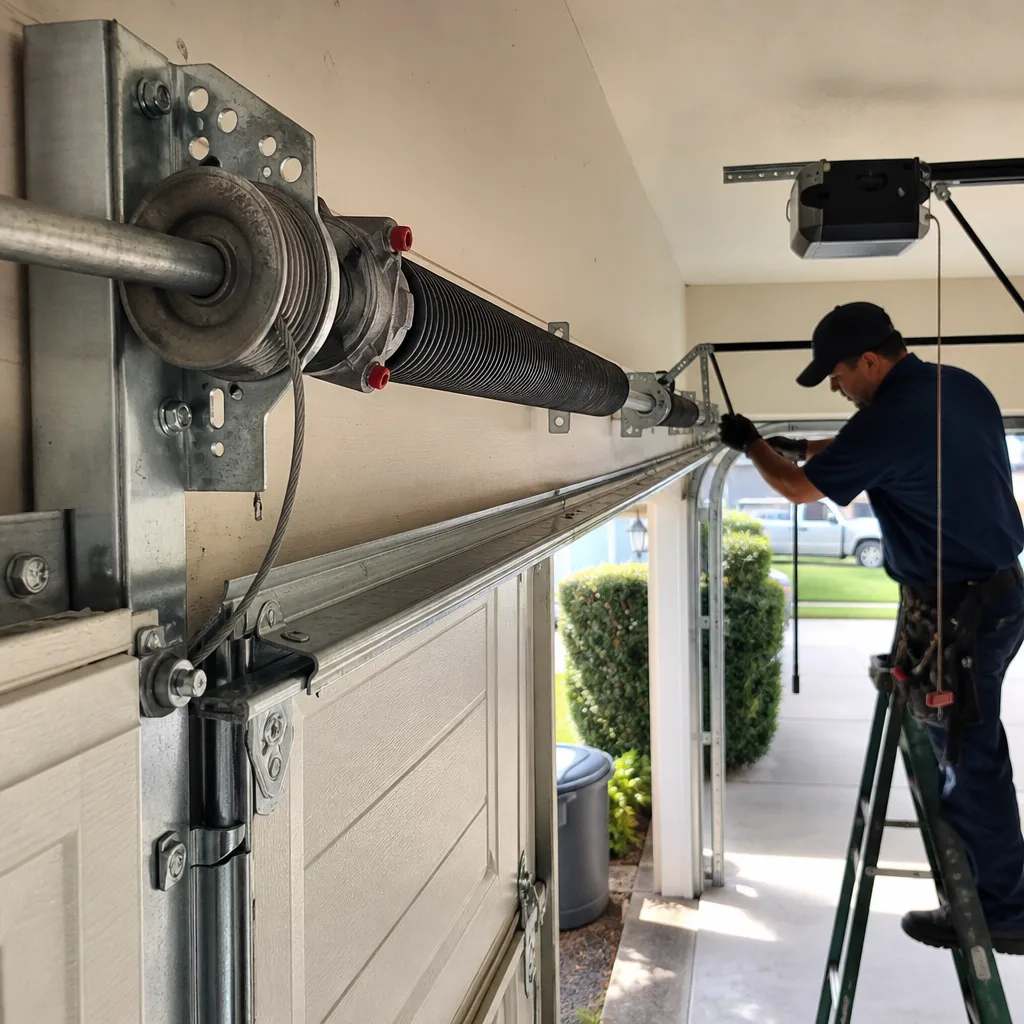 After
After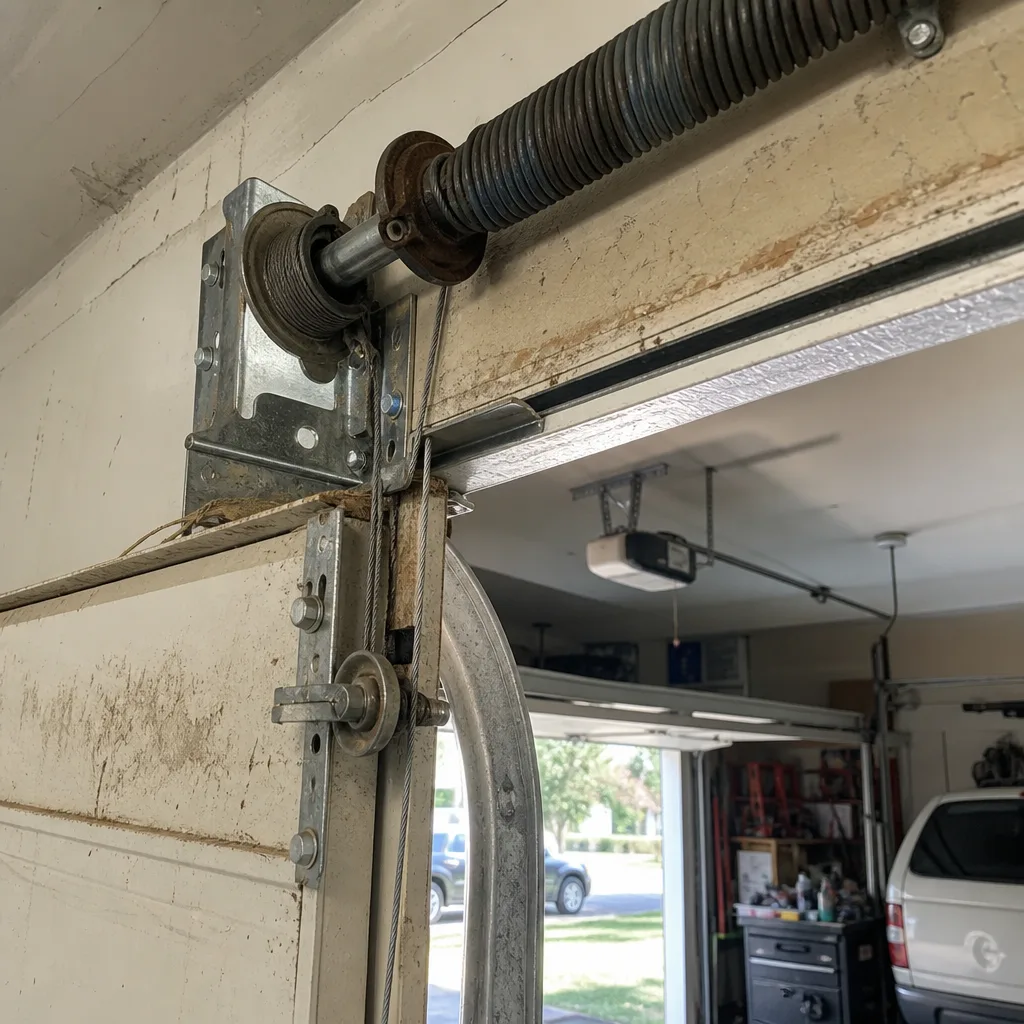 Before
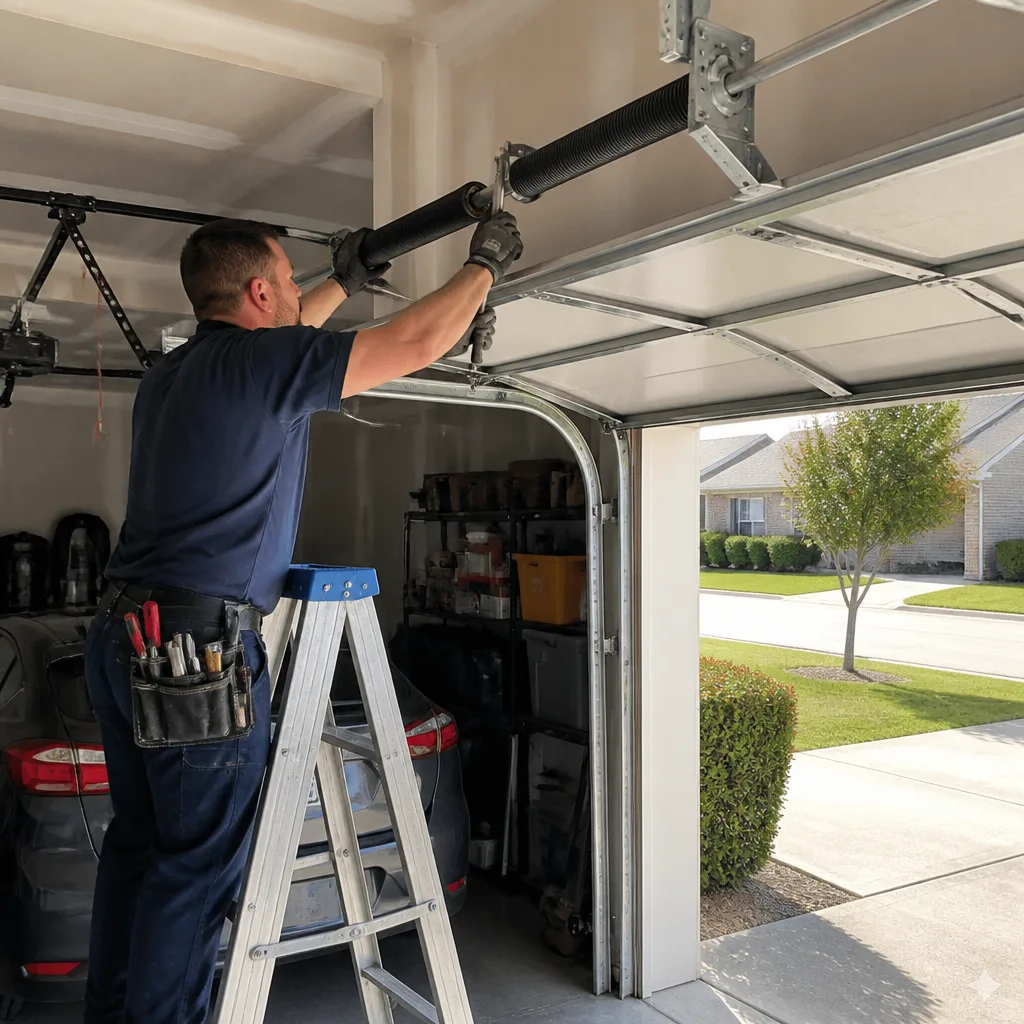 After
AfterGarage Door Warning Signs: A Alvin Homeowner’s Reference Guide
Most garage doors in Alvin fail on a Tuesday morning when someone is already running late, not because the problem came out of nowhere, but because the homeowner stopped hearing the warnings weeks ago. After 42 years in this trade, we’ve learned that grinding, popping, and slow starts are not generic annoyances. They are specific mechanical languages, and most Alvin residents have learned to tune them out the same way they tune out highway noise from SH-35. This guide will teach you to read those sounds and sights before they become a door that won’t open at all.
Quick Answer
A garage door in Alvin typically gives four to six weeks of advance warning before major failure: grinding or popping sounds indicate spring or cable issues; slow or hesitant movement points to opener drive wear; reversal without obstruction signals sensor or force-limit problems; and visible rust streaking on springs or frayed cables demand immediate professional attention. Catching these signs early usually means a $180-$340 repair rather than a full door replacement.
Table of Contents
- The Sound Diagnostic: What Your Door Is Actually Telling You
- Visual Signs Alvin’s Climate Makes Worse
- The Reversal Problem Decoded: Sensor, Force, or Obstruction?
- Slow Door Speed: A Warning, Not an Annoyance
- The Triage Framework: Same-Week, Schedule-When-Convenient, or Stop Using Now
- Common Mistakes to Avoid
- When to Call a Professional
- Frequently Asked Questions
The Sound Diagnostic: What Your Door Is Actually Telling You
When a homeowner in Alvin calls and says “the door is making a noise,” we have to ask five or six follow-up questions before we know what to load on the truck. That delay costs everyone time. Here is what each sound actually means.
Grinding During Cold Morning Cycles
Alvin winters are mild compared to the Midwest, but January mornings in the low 40s are enough to change steel behavior. A grinding noise that appears only between 6 and 9 a.m., then fades by afternoon, almost always indicates a torsion spring that has developed a surface crack and is binding against itself as it contracts in the cold. The spring is not yet broken, but the friction between the crack faces produces that low, metallic grind.
This is not a lubrication issue. Greasing a cracked spring is like oiling a cracked axle. It will quiet down for a week, then snap without warning. In our experience across Alvin neighborhoods from Mustang Bayou to Dixie Hollow, grinding springs fail within 10 to 14 days of first noise. We replace the spring pair, not just the noisy one, because the matched spring has carried identical cycles and is usually within days of the same failure.
Popping or Banging at the Top of the Travel
A single loud pop as the door reaches the fully open position, or a bang when it starts down, typically means a broken spring winding cone or a cable that has slipped off its drum. The sound is the stored energy releasing in one instant rather than gradually. If you hear this once, inspect the torsion spring above the door. A gap in the coil means the spring is broken. Do not operate the door. The opener is now lifting the full weight of the door unassisted, which burns out the motor gear within a few cycles.
We’ve responded to this exact call in Alvin’s historic downtown district, where older wooden doors on converted carriage houses weigh 250 pounds or more. The opener gear strips out, and the homeowner now needs both spring replacement and opener repair. Catching the pop early saves the opener.
Squealing or Screeching Through the Full Travel
High-pitched squealing that lasts the entire up-and-down cycle points to roller wear or hinge binding, not spring issues. Steel rollers without ball bearings, common on doors installed before 2010, grind their own axles flat and scream metal-on-metal. Nylon rollers with sealed bearings run silent for 10,000 cycles but eventually dry out and produce a similar squeal.
In Alvin’s humidity, we’ve also seen this sound come from rusted hinge pins that have swollen in their barrels. The door still moves, but the hinge is effectively welded to itself. Replacement is straightforward: 10 to 16 hinges and rollers, done in under an hour.
Rattling or Shaking in the Horizontal Tracks
A door that visibly shakes or rattles in the curved portion of the track, where vertical meets horizontal, usually has loose track mounting brackets or worn horizontal track supports. The sheet metal flexes under load, and the rollers bang side-to-side. This is common in Alvin’s 1980s and 1990s ranch homes, where original builder-grade hardware has loosened from decades of vibration.
The repair is re-securing brackets and often adding a strut across the top section for rigidity. Left unaddressed, the shaking fatigues the door panels and eventually cracks them.
Clicking from the Opener Head Without Movement
A rapid clicking from the opener motor housing, with no door movement, is the sound of the motor attempting to turn a stripped gear. The gear teeth have sheared off, usually from a door that was too heavy for the opener rating or from repeated operation with a failing spring. The motor runs, the gear spins freely, and the coupler clicks against the remaining teeth.
Opener gear replacement is possible on most LiftMaster and Chamberlain chain-drive units. On older Genie screw-drive models, the entire carriage assembly usually needs replacement. We carry both on our trucks.
Visual Signs Alvin’s Climate Makes Worse
Alvin sits in a Gulf Coast humidity zone that accelerates certain failure modes you would not see at the same rate in drier parts of Texas. Knowing what to look for, and where, turns a casual glance into a useful inspection, and our more guides & resources cover related home maintenance topics.
Rust Streaking Patterns on Torsion Springs
Fresh torsion springs are coated in oil at installation. Over time, that oil traps airborne moisture and dust, creating a dark film. When you see orange-brown streaks running down the spring coils, especially on the bottom-facing surface where condensation collects, the protective coating has failed and active corrosion is eating the steel.
Spring steel in Alvin’s environment can lose 30 percent of its cross-section to rust before it shows any operational symptom. The spring simply works harder, the door feels heavier to the opener, and then one morning the spring snaps. We replace rust-streaked springs proactively during tune-ups. The Mainspring Garage Door Co. home page lists our $89 Seasonal Tune-Up, which includes spring inspection and corrosion assessment.
Weatherstripping Shrinkage and Gaps
The bottom seal and side weatherstripping on an Alvin garage door faces a specific stress: summer heat above 95 degrees softens the vinyl, then winter cold contracts it. After three to four years of this cycle, the bottom seal develops a permanent gap in the center where it no longer contacts the concrete. Light visible under the closed door means water, dust, and insects enter freely.
More critically, that gap allows humid Gulf air to circulate against the bottom panel and hardware. We’ve seen bottom sections rust through from the inside out because the seal failed and the homeowner never noticed. Replacement bottom seals are cut to length on site. We stock vinyl, rubber, and brush-style seals for different door ages and track configurations.
Cable Fraying Accelerated by Humidity
Lift cables on a torsion-spring door are aircraft-grade steel, but they are not stainless. In Alvin’s humidity, the cable surface develops micro-pitting where moisture settles in the strand valleys. Friction from daily operation then wears the pitted spots into frayed bundles.
Fraying appears first where the cable wraps around the bottom bracket pulley or the drum at the top. Look for a “fuzzy” appearance on the cable surface, or individual strands standing away from the main bundle. A cable with visible fraying has already lost significant strength. We do not repair cables; we replace them in matched pairs, because the unworn cable has carried identical load and is statistically likely to fail within the same month.
Panel Separation at Section Joints
Steel garage door panels are joined by tongue-and-groove seams with a thermal break. In Alvin’s climate, thermal expansion and contraction eventually fatigue the seam adhesive. You will see a visible gap between panels, or the seam will have a slight step where one panel has shifted relative to the next. This is not cosmetic. It means the door’s structural integrity is compromised, and the opener is applying lift force to a door that is no longer acting as a single rigid plane.
Panel separation on a modern insulated door usually requires section replacement. On older non-insulated doors, we sometimes can re-rivet and brace the seam if the steel is not thinned by rust.
Track Misalignment Visible to the Eye
Stand inside your garage with the door closed and look at the vertical tracks on either side. They should be perfectly parallel, plumb, and the same distance from the side framing. A track that has shifted will show as a bow inward or outward, or a visible gap between the track and the jamb bracket. In Alvin, track shift often follows foundation settling after heavy rains, which our clay soils make worse.
A shifted track forces rollers to climb the track edge rather than roll freely. The door binds, the opener strains, and eventually a roller pops out entirely. Track realignment is precision work; we use laser levels and check both vertical and horizontal runout.
The Reversal Problem Decoded: Sensor, Force, or Obstruction?
A door that reverses before touching the floor, or reverses immediately after starting down, is one of the most misdiagnosed complaints we hear. Homeowners in Alvin often describe all three causes with the same phrase: “it won’t stay closed.” Here is a simple sequence to tell them apart before you call.
Step 1: Check for Physical Obstruction
Close the door from the wall button, not the remote, while watching the threshold. A leaf, a pebble, or a curled edge of weatherstripping can trigger the safety reverse. The door will stop and reverse the instant the bottom seal meets the obstruction. This is normal and correct safety behavior. Clear the threshold and test again.
Step 2: Test the Safety Sensors
The photoelectric sensors sit 4 to 6 inches above the floor on either side of the door. They must face each other directly, with no tilt, and their LED indicators must show steady light (usually amber on one, green on the other). To test:
- Start the door closing.
- Pass a broom handle through the beam at ankle height.
- The door must reverse within 2 seconds. If it does not, the sensors are misaligned, dirty, or failed.
In Alvin, we see sensor failure from two local causes: spider webs across the lens (common in garages near Mustang Bayou’s insect density) and condensation fogging the lens during spring humidity spikes. Cleaning with a dry cloth realigns most issues. If the LEDs are off or flickering, the wiring or the sensor itself has failed. We carry replacement sensors for all major brands, including Genie and LiftMaster systems.
Step 3: Distinguish Force-Limit Issues
If the sensors pass the broom test but the door still reverses on a clear floor, the problem is force-limit setting or mechanical binding. The opener monitors motor current to detect resistance. A door that binds in the track, or a spring that has weakened and lets the door feel heavier, will draw excess current. The opener interprets this as hitting an object and reverses.
To test: pull the emergency release handle and operate the door by hand. It should move smoothly through the full travel with moderate effort, and stay at any height you stop it. If it feels heavy, binds, or drifts down, the mechanical system needs service before the opener settings are adjusted. Raising the force limit to compensate for a heavy door is dangerous; it defeats the safety reverse and can crush an obstruction.
We’ve found this exact scenario in Alvin’s Windmill Ranch area, where 20-year-old doors with original springs have weakened gradually. The homeowner raises the force limit every year until the opener eventually fails from overload. The correct fix is spring replacement, not opener adjustment.
Step 4: The Logic Board Test
If obstruction, sensors, and force limit are all ruled out, the opener’s logic board may have failed in its travel-limit memory. This is more common after power surges, which Alvin experiences during Gulf Coast thunderstorms. The board “forgets” where the floor is and reverses at a random point. Travel limit recalibration sometimes resolves it; otherwise, board replacement is required. We test boards on site and carry replacements for Chamberlain, LiftMaster, and Craftsman units.
Slow Door Speed: A Warning, Not an Annoyance
A door that takes 15 seconds to open where it once took 10 is not merely aging. It is a specific diagnostic signal, and the cause depends entirely on the opener drive type.
Belt-Drive Openers: Belt Tension and Pulley Wear
Belt-drive units, common on premium installations from Clopay and Amarr dealers, use a reinforced rubber belt with steel cables molded in. The belt stretches over its first five years, and the tensioner spring compensates. When the tensioner reaches its travel limit, the belt slips on the drive pulley during heavy lift. The door slows, hesitates, or stalls at the transition from vertical to horizontal.
Pulley wear accelerates the problem. The pulley teeth round off, the belt rides lower in the grooves, and slip increases. We replace belt and pulley as a matched set. Attempting to tension a worn belt without pulley replacement buys a month at most.
Chain-Drive Openers: Chain Stretch and Sprocket Wear
Chain-drive openers are the workhorses of residential garage doors, and they telegraph problems clearly. A chain that has stretched beyond its adjustment range will sag below the rail, sometimes catching on the door or the traveler. The door slows because the motor is lifting chain weight in addition to door weight, and the sprocket teeth are engaging only partially.
The telltale sound is a rhythmic clanking as the chain snaps tight against the sprocket. In Alvin, we see this most often on 15-year-old Craftsman and Raynor chain-drive units that have never had chain adjustment. Replacement chain and sprocket kit restores original speed and eliminates the wear pattern that would destroy the new chain in months.
Screw-Drive Openers: Screw Wear and Carriage Binding
Genie screw-drive openers use a threaded steel rod and a plastic carriage that rides the threads. The carriage’s internal threads wear with use, and the fit loosens. A worn carriage chatters on the screw, slows under load, and eventually strips entirely. The door stops moving while the motor runs.
Screw-drive systems also need annual lubrication with low-temperature grease. Alvin’s humidity washes standard grease off the screw, and the bare steel corrodes. A corroded screw feels rough to the touch and will destroy a new carriage in weeks. We clean and relubricate screw drives during tune-ups, and we carry replacement carriages and screws for Genie units.
Direct-Drive Openers: Motor Bearing Wear
Direct-drive openers, where the motor itself travels along the rail, have no belt, chain, or screw. Slow operation here indicates motor bearing wear or internal gear reduction failure. These units are sealed and not field-repairable; replacement is the only option. We stock direct-drive units from major manufacturers for same-day installation when needed.
The Triage Framework: Same-Week, Schedule-When-Convenient, or Stop Using Now
Not every warning sign demands the same response. Calling for emergency service on a squeaky roller wastes your money and our availability for a homeowner with a door off its tracks; if you are planning a larger project, read How to Hire a Garage Door Contractor in Alvin: A Step-by-Step Guide first. Here is how we categorize what we see in Alvin.
Stop Using the Door Until a Technician Arrives
- Broken torsion spring: The door is dead weight. Operating it with the opener will strip the gear or burn the motor. If you must leave, disconnect the opener and lift manually with assistance, or leave the door open and unplug the opener.
- Frayed or detached lift cable: The remaining cable carries the full door weight unevenly. The door can twist in the tracks, jam, or fall. Do not operate.
- Door off the tracks with visible panel damage: The structural integrity is gone. Further movement can fold the door or drop it.
- Opener motor runs but door does not move, with burning smell: Electrical fault or seized mechanical component. Fire risk. Unplug the opener.
Schedule Same-Week Service
- Grinding spring noise: Failure is imminent, usually within days. Limit use to essential cycles until repaired.
- Reversal problem not resolved by sensor cleaning: Safety system is compromised. The door cannot be left unattended in the closed position if it may reverse and open.
- Slow operation with motor straining: Mechanical overload is accelerating wear on multiple components. Each cycle increases the repair cost.
- Visible rust streaking on springs or significant track misalignment: Progressive failure mode that will become critical without warning.
Schedule at Convenience
- Squealing rollers or hinges: Annoying but not dangerous. Plan for a tune-up visit within the month.
- Weatherstripping gaps or deterioration: Efficiency and pest issue, not safety. Schedule with seasonal maintenance.
- Remote or keypad intermittent function: Usually battery or signal interference. Test batteries first; if problem persists, schedule when convenient.
- Cosmetic panel dents or fading: No operational impact. Address when considering resale or full door replacement.
Our 24/7 live answer line will help you categorize your specific symptom. We do not charge premium rates for honest triage. If your issue can wait, we’ll tell you.
Common Mistakes to Avoid
- Describing every problem as “the door is acting up.” Specificity gets the right parts on the truck. Note when the symptom occurs, what it sounds like, and whether it is consistent or intermittent.
- Applying WD-40 to springs, tracks, or rollers. WD-40 is a solvent, not a lubricant. It strips existing grease and attracts dust. On torsion springs, it can mask the grinding sound without fixing the crack, delaying needed repair.
- Ignoring seasonal patterns. In Alvin, problems that appear only in January or August are telling you something about thermal expansion, humidity, or foundation movement. Mention the season when you call.
- Adjusting opener force limits to compensate for a heavy door. This defeats safety systems and accelerates opener failure. The door should move smoothly by hand with the opener disconnected. If it does not, the mechanical system needs service first.
- Replacing only one spring on a two-spring door. Springs are matched for cycle life. The old spring will fail within weeks, costing a second service call. We replace both, and we put it in writing.
- Assuming all openers are compatible with all doors. A 3/4-horsepower opener on a 150-pound steel door is overkill; a 1/2-horsepower unit on a 300-pound solid wood door will fail in a year. We specify opener capacity to door weight and cycle demand, not to price point.
- Waiting for total failure before calling. The homeowner who calls at the first grinding sound pays for a spring replacement. The homeowner who waits pays for spring replacement, opener gear replacement, and often a new opener. Early intervention is the square deal.
When to Call a Professional
Call when you cannot confidently assign the symptom to the “schedule at convenience” category. Call when the door feels different than it did last month, even if you cannot name the difference. Call when you have applied the tests in this guide and the problem persists. Garage Door Repair in Alvin is our core service, and we have built our reputation on arriving with the right parts, stating the flat price before any work begins, and finishing in a single visit. Mainspring Garage Door Co. offers free estimates in Alvin - call (936) 246-3925. If your door is in the “stop using now” category, mention it when you call and we will prioritize the dispatch.
Frequently Asked Questions
Spring replacement in Alvin typically runs $180-$340 for a standard residential torsion spring pair, including parts, labor, and adjustment. Heavier wood doors or high-cycle springs may run higher. We state the exact price before any work begins, and that price does not change once we start. Call (936) 246-3925 for a free estimate - we answer live, 24/7.
No. Torsion springs store lethal energy, enough to cause serious injury or death if released improperly. The winding cones can slip, the winding bars can kick back, and a broken spring can unwind with explosive force. This is not a homeowner repair in any circumstance. Our technicians are trained under our K.E.Y.S. values code and carry the specialized tools for safe spring service.
Alvin’s spring and fall humidity can fog photoelectric sensor lenses or cause condensation on the opener’s circuit board, creating phantom obstruction signals. Clean the sensor lenses with a dry cloth and check that both LEDs show steady. If the problem persists through a dry day, the sensors or wiring need professional testing. We carry replacement sensors for all major brands and can test the full safety system on site.
A quality opener in Alvin’s environment typically lasts 10 to 15 years with proper maintenance. Humidity accelerates corrosion on chain-drive chains and screw-drive screws, and summer heat degrades electronic components. Annual lubrication and inspection extend life significantly. We offer our $89 Seasonal Tune-Up to catch climate-related wear before it becomes failure.
No. Our flat price is stated before any work begins, based on the symptom description and a brief photo if needed. The only way the price changes is if you authorize additional work, such as replacing worn cables while we have the door apart for spring service. We explain every option, and you choose before we proceed. No surprises on the bill.
Yes. Our trucks are stocked with torsion springs in common wire sizes and lengths, lift cables, rollers, hinges, weatherstripping, and opener components for LiftMaster, Chamberlain, Genie, and other major brands. Most repairs are completed in a single visit. If your door requires a special-order part, such as a custom panel for a Clopay or Amarr door, we secure the part and schedule return installation at no additional trip charge.
The Bottom Line
Your garage door speaks a specific mechanical language. Grinding, popping, slow travel, and unexplained reversal are not generic complaints; they are distinct symptoms with distinct causes and costs. Learning to read them, and knowing which demand immediate attention, puts you ahead of the failure curve. In Alvin’s climate, humidity and temperature swing accelerate wear that would progress more slowly inland. The homeowner who inspects monthly, notes changes, and calls early avoids the emergency call, the opener damage, and the second-trip delay. We have served this area since 1984, and we have learned that the best repair is the one that happens before the door fails entirely.
Written by Carl Dutton, Owner at Mainspring Garage Door Co., serving Alvin since 2016.