
Last updated September 10, 2026
Full 25-point door and opener safety check with every visit - springs, cables, rollers, tracks, and your LiftMaster or Chamberlain opener included
You get a price before we start. It does not change when the truck arrives.
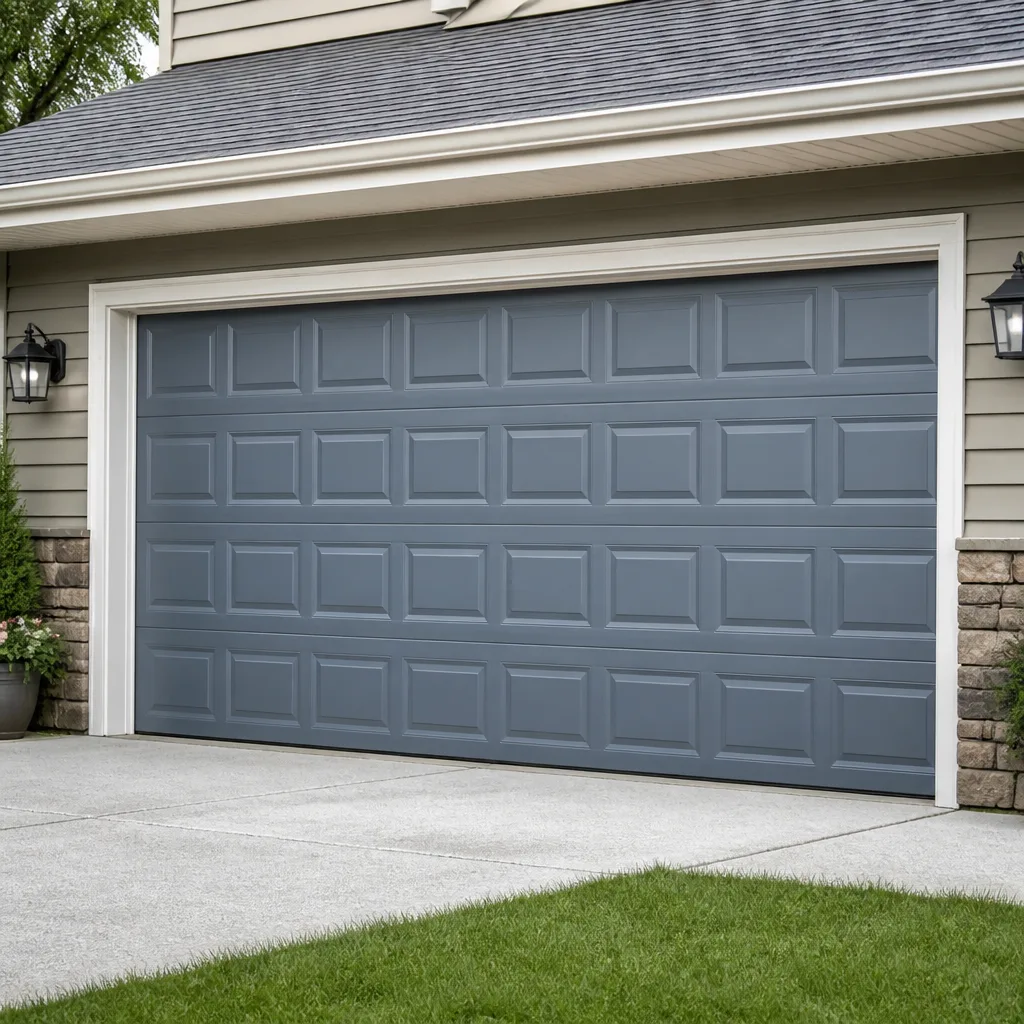
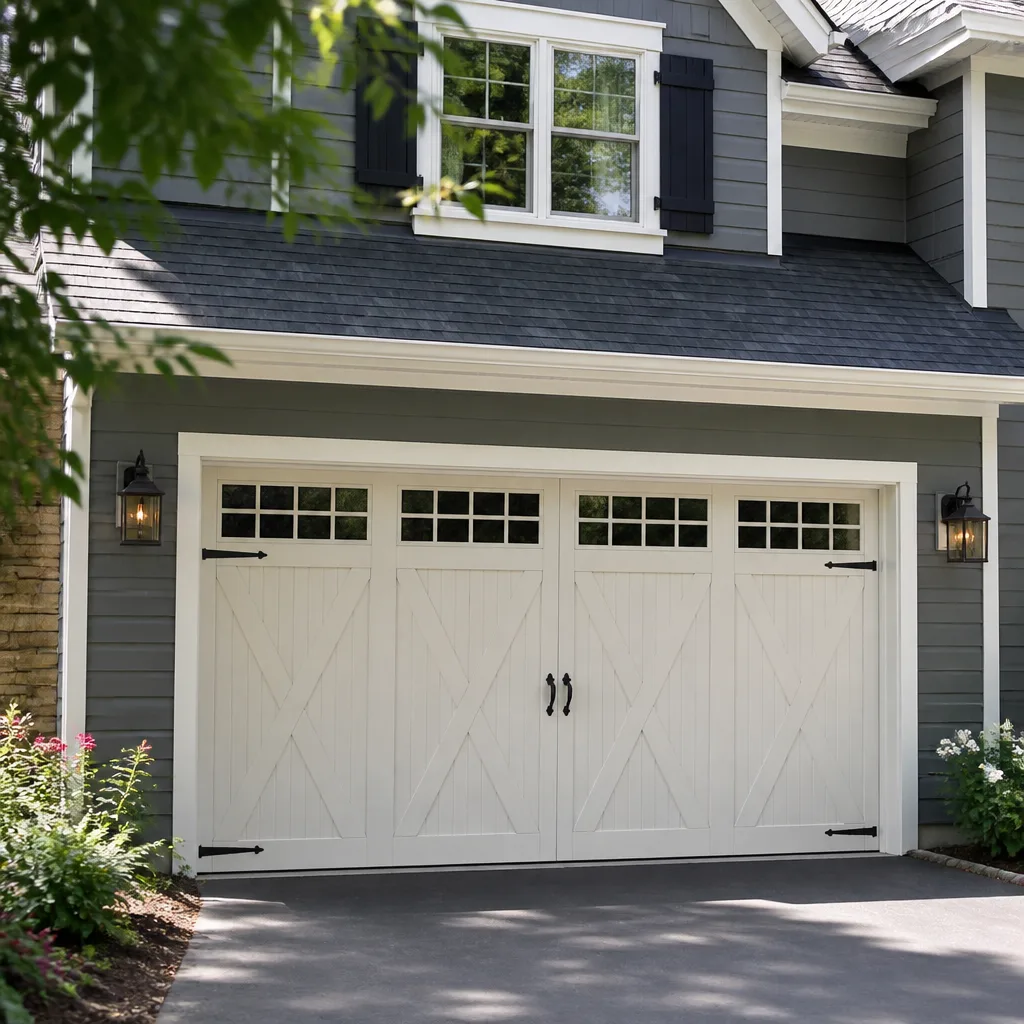
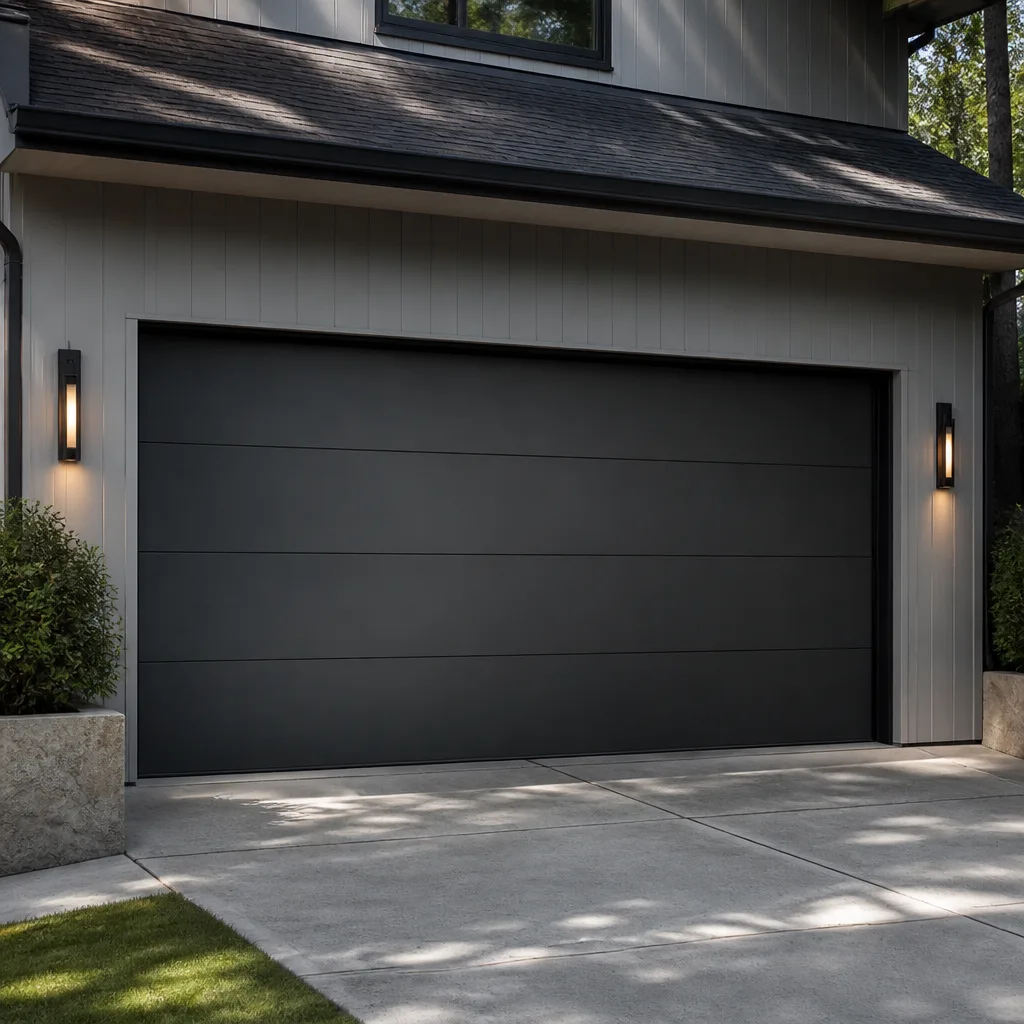
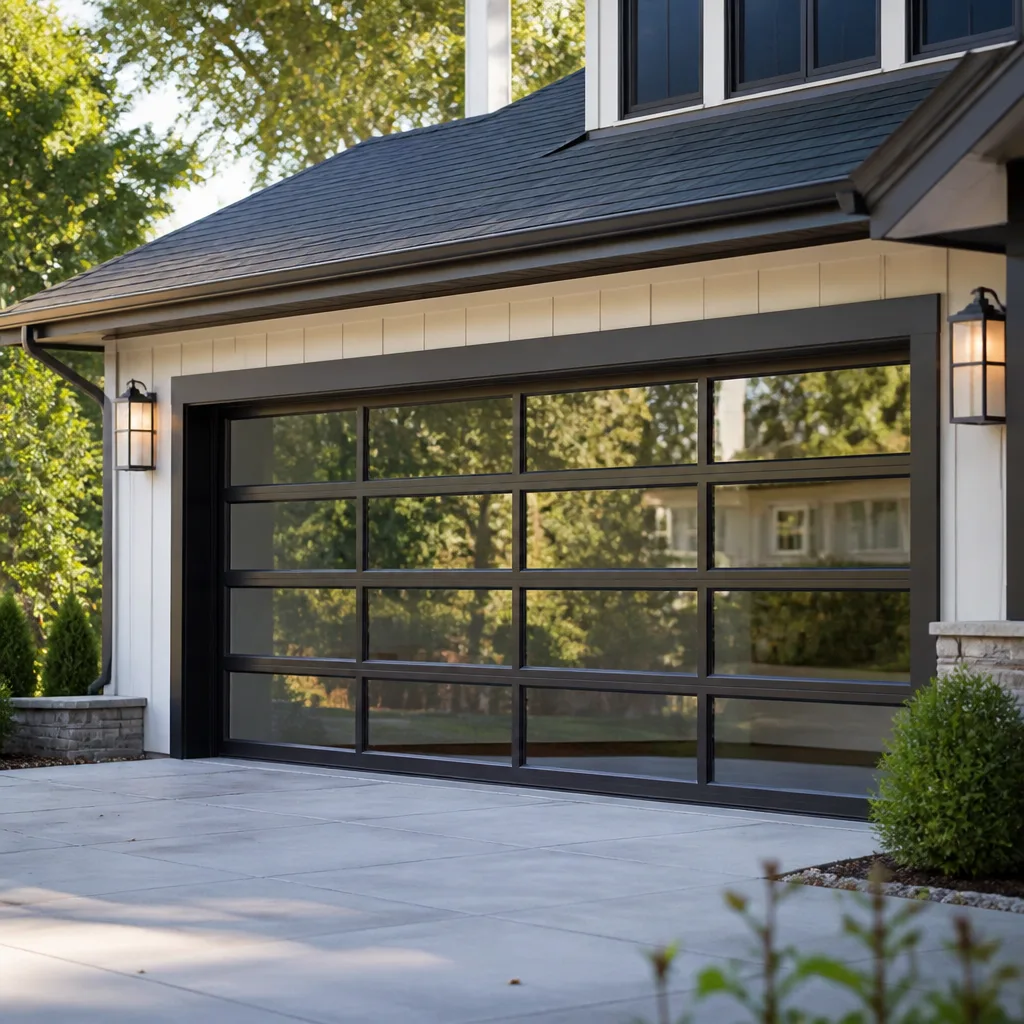
 Before
 After
After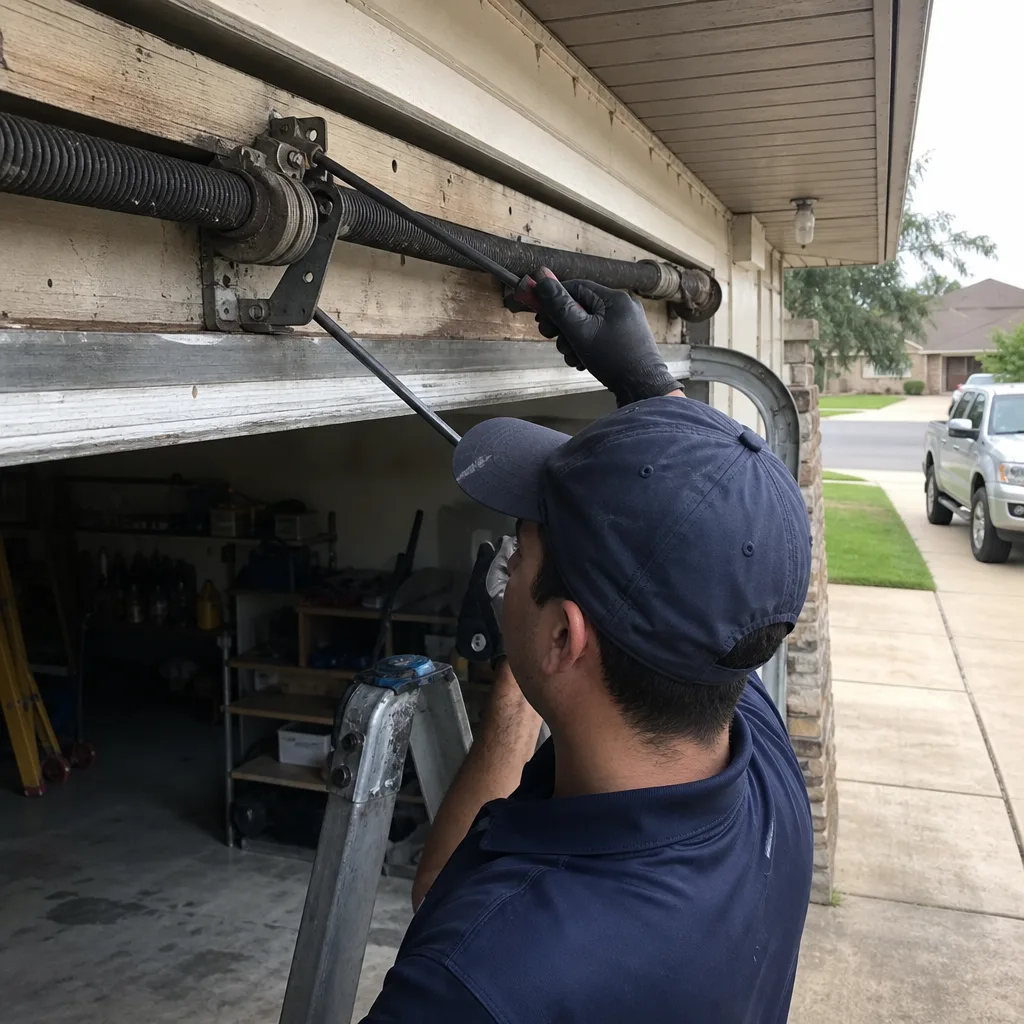 Before
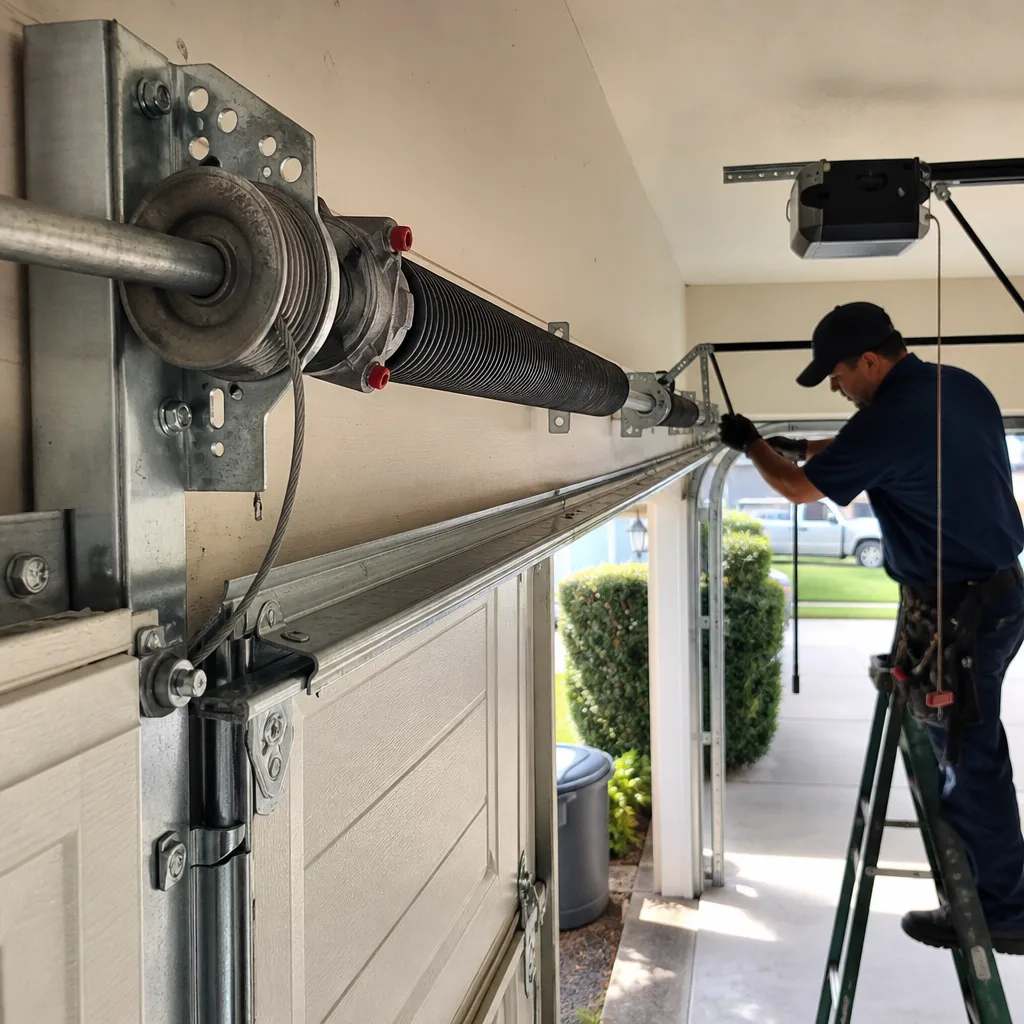 After
After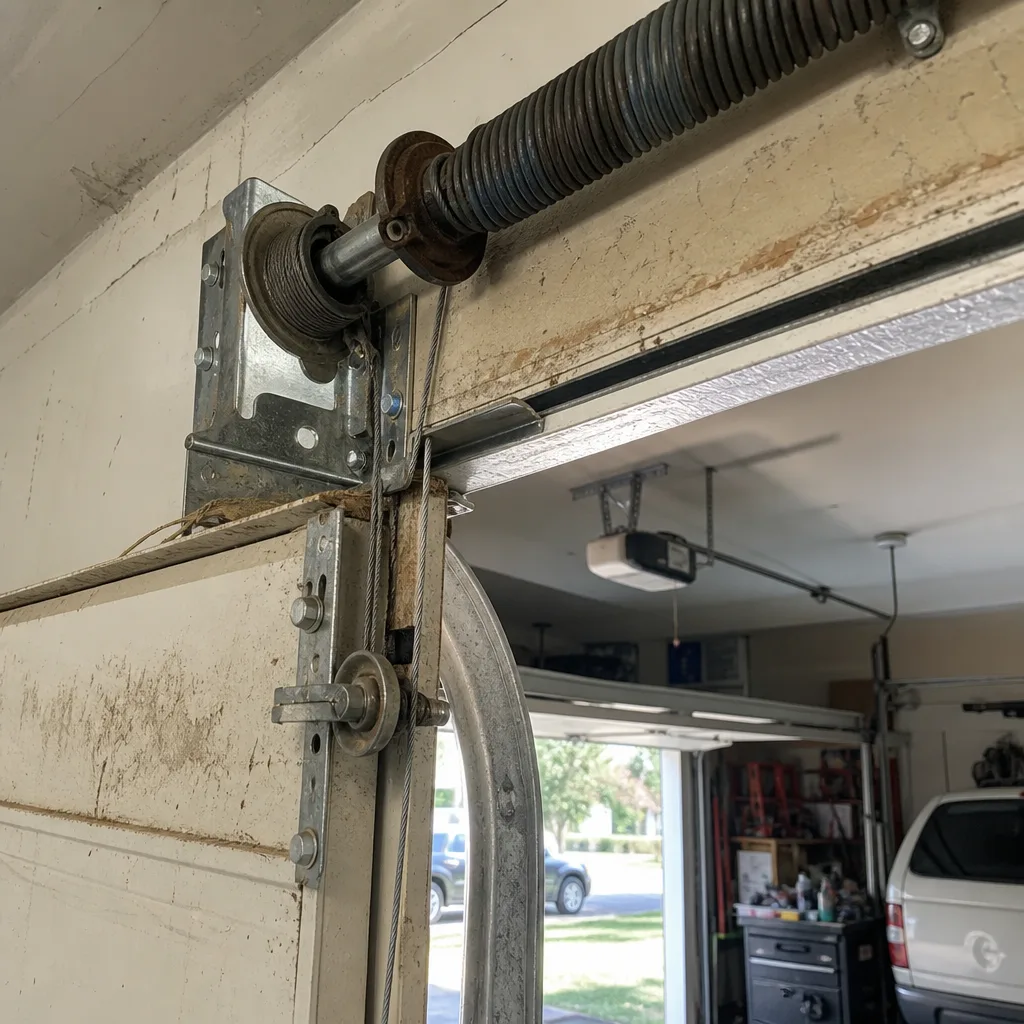 Before
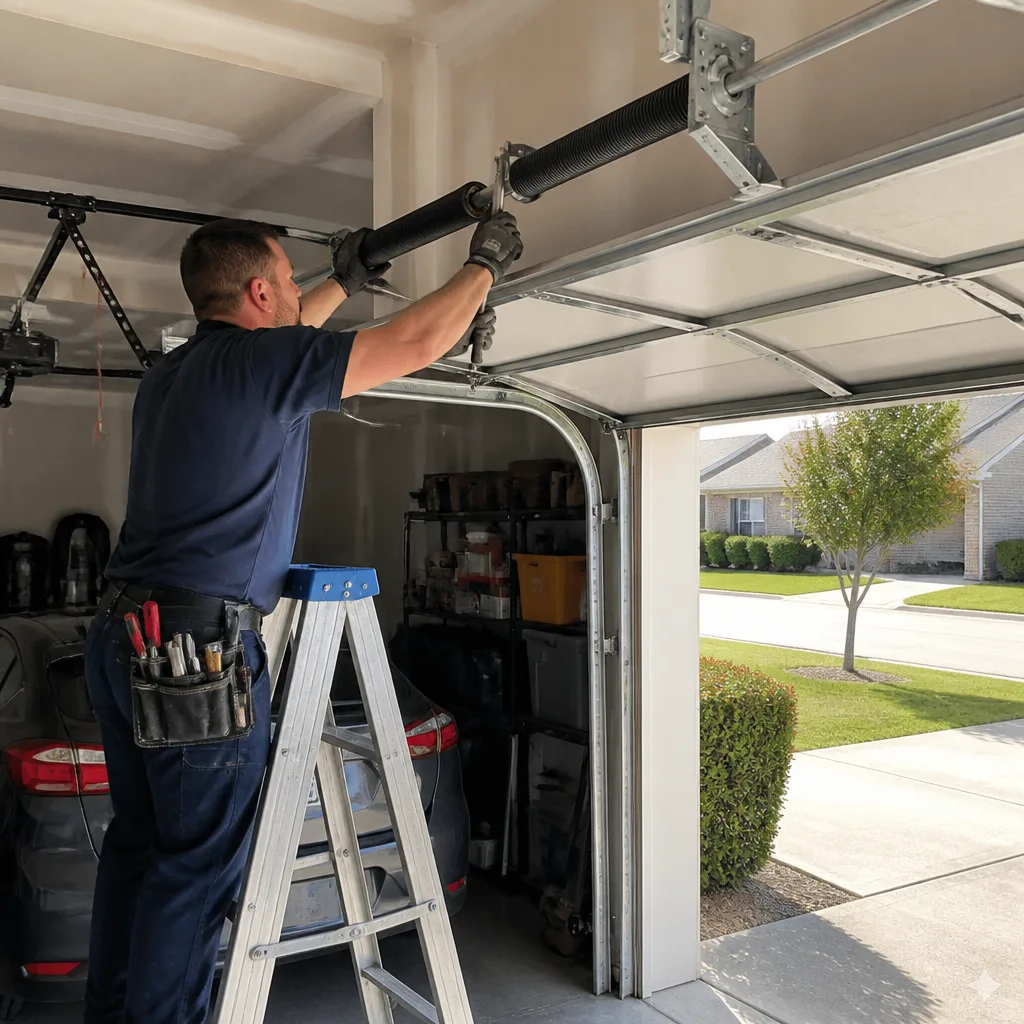 After
AfterGarage Door Permits, Codes & Inspections in TX: What You Need to Know
Most garage door replacements in Texas don’t require a permit, but the exceptions are specific and consequential. Texas leaves permitting authority to individual municipalities, which means the rules in Alvin proper, unincorporated Brazoria County, and an Alvin-area HOA subdivision can all differ. A homeowner who assumes “my neighbor didn’t need one” is reliable guidance risks a failed inspection at resale, an insurance claim denial after a storm, or a stop-work order mid-project. In this guide, we’ll walk through exactly when a permit is required in Alvin, how to pull one, what wind-load codes apply in hurricane-exposed Brazoria County, and why the resale disclosure matters more than most homeowners realize until they’re sitting at a closing table. For Garage Door Warning Signs: A Alvin Homeowner’s Reference Guide, see our dedicated resource.
Quick Answer
Garage door permits in Texas are governed by local municipalities, not state law. In Alvin, a standard garage door replacement on an existing opening typically does not require a permit, but structural changes to the opening, new construction, conversions from garage to living space, and any work affecting wind-load compliance do. Brazoria County’s hurricane exposure requires impact-rated or wind-load-rated doors in most zones, and unpermitted work can surface on resale inspection reports, forcing last-minute corrections or price reductions.
Table of Contents
- When Is a Garage Door Permit Required in Alvin?
- Repair vs. Replacement: Where the Line Is Drawn
- Structural Changes That Trigger a Different Permit Class
- Wind-Load Codes and Hurricane Exposure in Brazoria County
- The Resale Disclosure Risk: What Unpermitted Work Costs at Closing
- How to Pull a Garage Door Permit in Alvin
- What to Expect During Inspection
- Common Mistakes to Avoid
- When to Call a Professional
- Frequently Asked Questions
- The Bottom Line
When Is a Garage Door Permit Required in Alvin?
The City of Alvin operates under the 2021 International Residential Code with local amendments, administered through the Alvin Building Inspections Department. Understanding when a permit is required starts with recognizing what triggers the city’s oversight.
A permit is generally required when the work involves:
- New construction or a newly created door opening in a structure
- Structural modification to an existing opening, including widening, height changes, or header alterations
- Conversion of a garage to conditioned living space, which changes the door’s classification from vehicle access to potentially an egress or firewall issue
- Installation of a door in a location where none existed previously, such as a detached workshop or barn
- Any work that affects the structural integrity or wind-load path of the building envelope
Conversely, a permit is typically not required for:
- Direct replacement of an existing garage door on the same opening with no structural changes
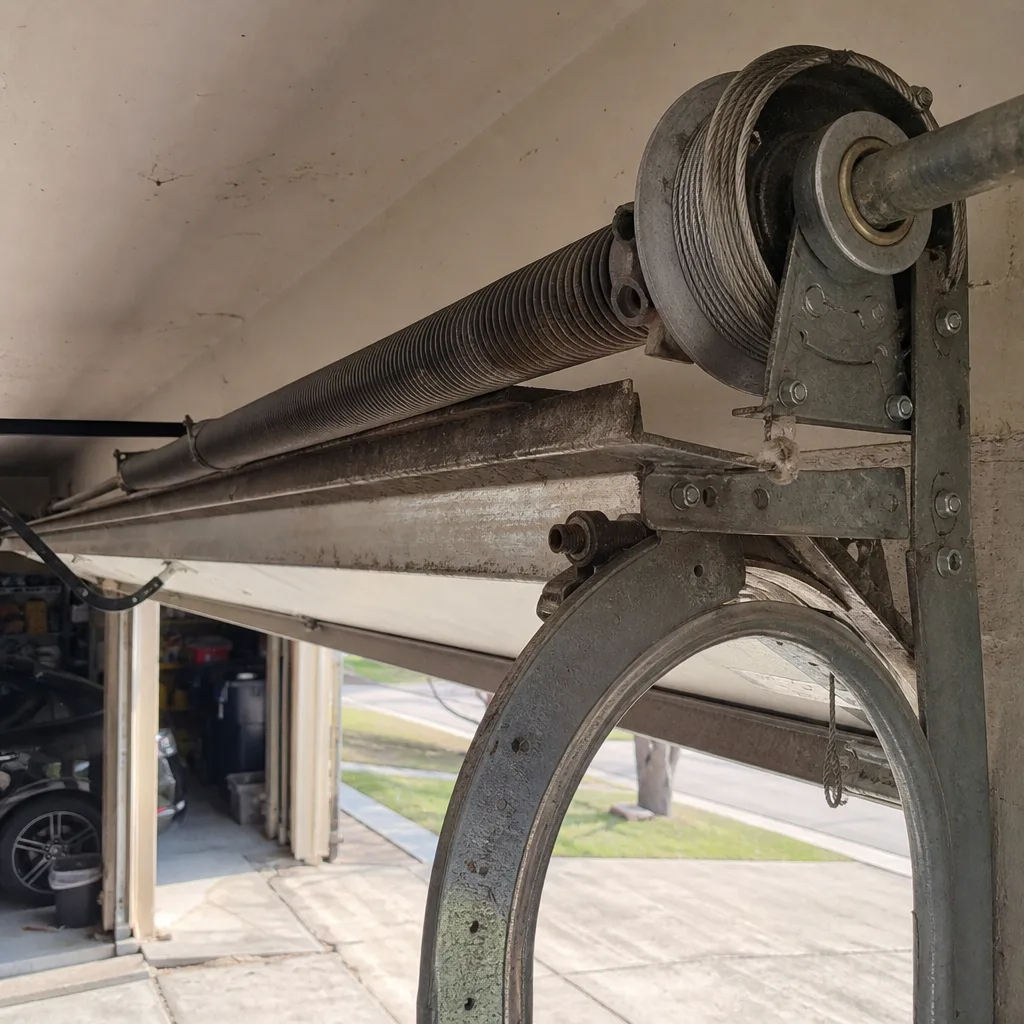
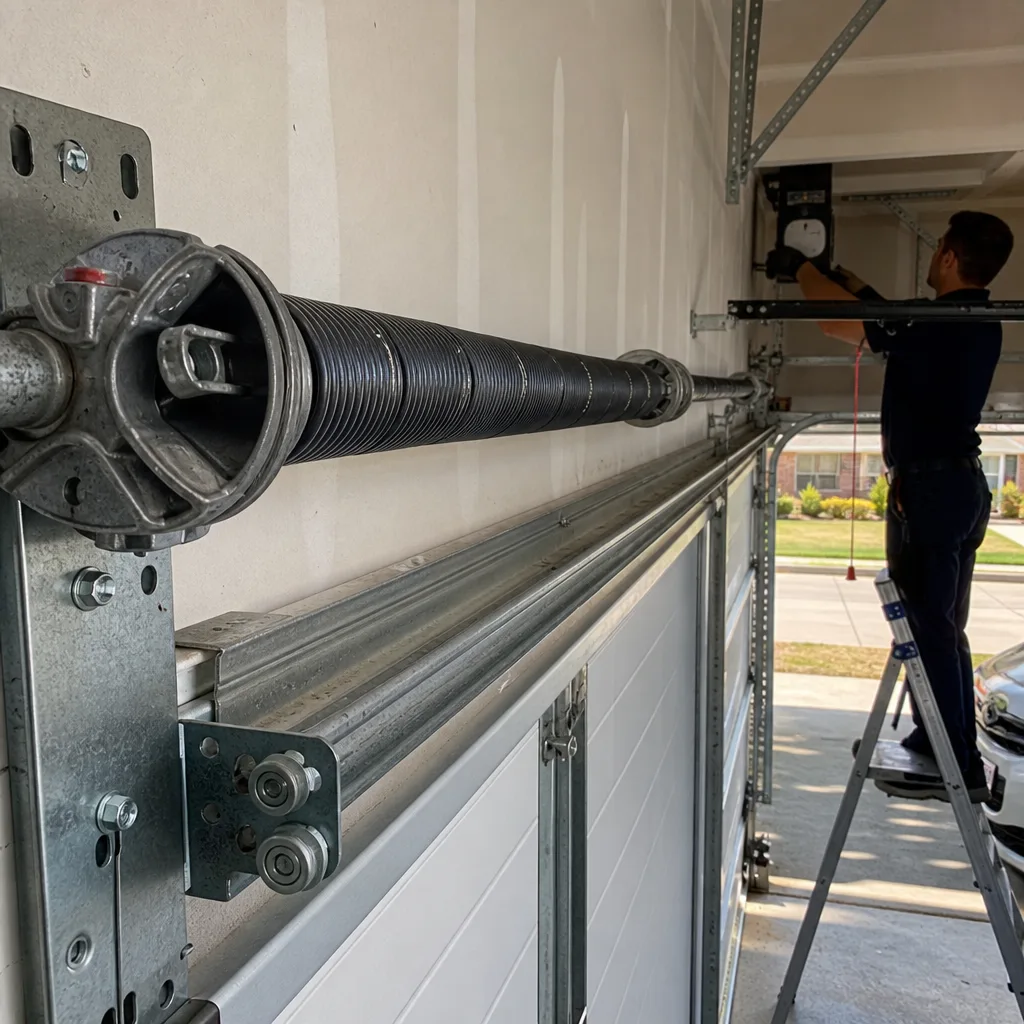
- Repair or replacement of springs, cables, rollers, hinges, or openers
- Cosmetic changes such as painting, decorative hardware, or window inserts that don’t alter the door’s structural or wind-load properties
- Replacement of damaged panels within an existing door system, provided the door’s overall rating and operation remain unchanged
The nuance that catches homeowners in Alvin, particularly in newer subdivisions like Mustang Crossing or Sedona Lakes, is that HOA architectural review boards often impose requirements stricter than city code. An HOA may demand permits for aesthetic changes the city would not regulate, or require specific style approvals for door replacements. We’ve seen homeowners complete a full replacement only to receive a violation notice because the door style wasn’t submitted for architectural review. Always check both city and HOA requirements before work begins.
Another Alvin-specific consideration: homes in the 77511 and 77583 zip codes span both incorporated city limits and unincorporated Brazoria County. A property on the county side operates under Brazoria County’s building regulations, which differ from Alvin’s municipal code in fee structures, inspection timelines, and in some cases, wind-load zone classifications. Verify your jurisdiction through the Brazoria County Appraisal District records if you’re uncertain whether you’re inside Alvin city limits.
Repair vs. Replacement: Where the Line Is Drawn
The distinction between repair and replacement matters because it determines whether you’re buying parts and labor or entering the permitting and inspection system. Alvin’s building officials apply a practical test: if the work restores the existing system to its original condition and function, it’s repair. If it alters the system’s specifications, dimensions, or performance characteristics, it may cross into replacement territory.
Here is how the line typically falls in practice:
| Scenario | Classification | Permit Required? |
|---|---|---|
| Broken spring replacement, same size and type | Repair | No |
| Cable replacement, matching original specifications | Repair | No |
| Opener replacement, same horsepower and mount type | Repair | No |
| Full door replacement, same size on existing opening | Replacement | Generally no |
| Door replacement with different size or wind rating | Replacement with modification | Yes |
| Adding windows or insulation that changes door weight/operation | Modification | Possibly |
| Panel replacement with non-matching panel (different gauge, material, or design) | Modification | Possibly |
The “possibly” entries deserve attention. In 2019, Alvin adopted stricter enforcement of wind-load compliance following Hurricane Harvey’s damage assessments. A door replacement that upgrades from a non-rated door to a wind-rated model, even on the same opening, may trigger inspection if the building official determines the change affects the structure’s envelope performance. This is not universal, but it occurs often enough that we recommend confirming with the Building Inspections Department when any performance upgrade is involved.
Weight changes matter too. A steel door replacing a lighter aluminum or fiberglass door on the same opening may require spring recalculation and opener upgrade. While this doesn’t automatically require a permit, if the work is part of a larger project or flagged during an inspection for other reasons, the cumulative changes can draw scrutiny.
In our experience across Alvin neighborhoods from historic downtown to the newer builds near Resoft County Park, the most common trigger for unexpected permitting is a homeowner who begins with “just a new door” and discovers the opening needs reframing, the header is inadequate, or the existing system predates current wind-load requirements. The project expands, and with it, the regulatory footprint.
Structural Changes That Trigger a Different Permit Class
When a garage door project involves structural modification, the permit requirement shifts from a simple trade permit to a building permit with structural review. This changes the timeline, the cost, the inspection sequence, and what documentation the contractor must provide.
Structural changes that trigger this elevated permit class include:
- Widening the opening. Removing masonry, extending the header, or altering load-bearing walls to accommodate a wider door requires engineering review of the header capacity and load path. The new header must be sized for the span and loads, including any point loads from above.
- Raising the door height. Converting a standard 7-foot opening to an 8-foot or 9-foot clearance for a taller vehicle requires header modification and potentially track and spring system redesign. The structural review examines whether the wall framing above can accommodate the reduced header depth or if the opening must be re-engineered entirely.
- Converting a window or side door to a garage door opening. This is treated as new construction, not replacement. The foundation must be verified for bearing capacity, the wall must be analyzed for lateral loads, and the new opening must meet egress and emergency access requirements if the garage is attached to living space.
- Converting a garage to living space. When a garage becomes a bedroom, office, or rental unit, the garage door’s fate becomes a building code issue. If the door is retained for emergency egress, it must meet egress opening requirements. If it’s removed and the opening infilled, the infill must match the wall’s fire rating and thermal performance. This triggers full building permit, energy code compliance, and potentially fire separation inspection.
- Adding a door to a previously door-less wall. Common in detached garages, workshops, and barn conversions in rural Brazoria County. The foundation and wall must be verified for the new opening, and the door must be integrated into the structure’s wind-load path.
Each of these scenarios requires plans, often engineered, and a sequence of inspections: footing or foundation (if new), framing/rough-in, insulation (if conditioned space), and final. The timeline in Alvin runs 2-4 weeks for plan review after submission, plus scheduling delays for each inspection phase. A project that starts in March, before hurricane season, can easily extend into June if plans require revision or inspections fail.
For homeowners in Alvin’s older neighborhoods, such as the homes near Sealy Street or Gordon Street built before 1980, structural changes carry additional complexity. These homes may predate modern code requirements, and any modification triggers “triggered compliance” - the requirement to bring the affected element up to current code. A header that was adequate in 1975 may not meet today’s span tables, and the building official has limited discretion to waive compliance on structural elements.
Wind-Load Codes and Hurricane Exposure in Brazoria County
Brazoria County sits in Texas’s highest hurricane exposure zone. The 2021 International Residential Code, as adopted by Alvin, places most of the city in Wind Design Category II or III depending on specific location and exposure, with ultimate design wind speeds ranging from 130 to 140 mph in the standard calculation, and higher in exposed or coastal-proximate areas.
This matters for garage doors because they represent the largest opening in most residential structures. A failed garage door in a hurricane allows rapid internal pressurization, which multiplies roof uplift forces and frequently leads to catastrophic structural failure. The building code treats garage doors as critical components of the wind-load envelope.
A code-compliant garage door for Alvin must carry:
- A wind-load rating label from the manufacturer, tested to ANSI/DASMA 108 or ASTM E330 standards
- A pressure rating in pounds per square foot (psf) appropriate for the specific wind speed, exposure category, and mean roof height of the structure
- Proper anchorage to the framing, with fasteners and connection details matching the tested assembly
- Installation according to the manufacturer’s approved installation instructions, which become part of the code-compliant assembly
The specific psf requirement varies. A single-story home in a sheltered Alvin neighborhood with suburban exposure might require 20-25 psf. A two-story home on an open lot near Chocolate Bayou or toward the county’s southern edge might require 35-45 psf or higher. The only reliable determination comes from a design professional or the manufacturer’s engineering department using the specific site conditions.
Major manufacturers including Clopay and Amarr produce wind-load-rated doors with labeled ratings and installation details for Texas coastal zones. Wayne Dalton offers models specifically engineered for high-velocity hurricane zones. When we specify a door for an Alvin home, we verify the rating against the specific address conditions, not just the general city requirement. A door that passes in northwest Alvin may be inadequate for a waterfront-exposed property toward the south.
The insurance implication is direct and often overlooked. After Hurricane Harvey, multiple insurers in Brazoria County began requiring proof of wind-load-rated garage doors for policy renewal or claims payment on wind damage. A homeowner with a non-rated door, even if installed before the requirement, may face:
- Claim denial or reduced payment for structural damage attributed to door failure
- Requirement to upgrade the door as a condition of renewal
- Increased premium or deductible for properties with non-compliant envelope components
We’ve replaced doors in Alvin where the insurance adjuster documented the non-rated existing door and limited the claim payout accordingly. The homeowner paid the difference out of pocket. A permit and inspection record, even when not strictly required, creates documentation of compliance that supports insurance claims and resale value.
The Resale Disclosure Risk: What Unpermitted Work Costs at Closing
The hidden cost of skipping a permit surfaces most painfully at resale. Texas property disclosure requirements, combined with buyer inspection practices, create multiple pathways for unpermitted garage door work to become a transaction problem.
Texas sellers must complete a Seller’s Disclosure Notice, which asks about work performed without required permits. A garage door replacement that required a permit but didn’t receive one must be disclosed. Failure to disclose exposes the seller to post-closing liability, and most real estate attorneys advise disclosure even when the seller is uncertain, creating a red flag for buyers.
Buyer’s inspections in Alvin’s active resale market, particularly in the $250,000-$400,000 range where first-time buyers are prevalent, routinely include permit history checks. Inspectors and appraisal management companies use databases and city records to verify permits for visible improvements. An unpermitted door replacement appears as a gap in the record.
The typical consequences at closing:
- Buyer demand for retroactive permitting. The seller must apply for a permit after the fact, which requires opening walls, exposing connections for inspector verification, and often discovering additional code compliance issues. Cost: $500-$2,500 plus delay.
- Price reduction negotiation. Buyers use unpermitted work to justify reduced offers, typically $2,000-$5,000 below comparable permitted properties. The discount often exceeds what proper permitting would have cost originally.
- Title insurance exceptions. Some title insurers flag unpermitted improvements as encumbrances, complicating financing for the buyer and potentially killing the deal.
- HOA enforcement. In subdivisions with active architectural control, an unpermitted door that also bypassed HOA review can trigger separate violation proceedings, with fines accumulating until compliance is achieved.
In Alvin’s competitive market, where homes in desirable school zones move quickly, a permit gap can shift a property from “multiple offers” to “sitting for weeks.” The disclosure obligation doesn’t expire; a seller who honestly answers “don’t know” about permits invites deeper buyer scrutiny, while “no” when work was done creates liability.
We advise homeowners who have completed unpermitted work to address it proactively, not at listing. A retroactive permit, while more involved than original permitting, resolves the issue before it becomes a negotiation weapon. For work that truly didn’t require a permit, maintaining documentation - receipts, manufacturer specifications, photos of the existing condition - supports the disclosure that no permit was needed.
How to Pull a Garage Door Permit in Alvin
When a permit is required, the process in Alvin is straightforward but requires attention to detail. The Building Inspections Department is located at 216 West Sealy Street, and most permit applications begin online through the city’s contractor portal or in person.
Here are the actual steps:
- Determine jurisdiction and requirements. Confirm the property is within Alvin city limits, not unincorporated Brazoria County. Verify whether the project triggers building permit (structural changes) or trade permit (door-only replacement with rating change). Call (936) 246-3925 for pre-application guidance if uncertain.
- Prepare documentation. For a building permit: site plan, construction drawings, manufacturer cut sheets showing wind-load rating, and engineered connection details if required. For a trade permit: manufacturer specification sheet and installation instructions. Structural modifications require licensed engineer or architect stamps.
- Complete the application. Online or in person, providing property owner information, contractor license details (Texas contractor license required for structural work), project description, and estimated value. The value determination affects permit fees.
- Pay fees and submit. Alvin’s permit fees for residential garage door work typically run $50-$150 for trade permits, $200-$500 for building permits with structural review, depending on project valuation. Fees are non-refundable if plans are rejected.
- Wait for plan review. Standard review is 5-10 business days for straightforward trade permits, 10-20 business days for building permits requiring structural check. Complex projects or those requiring engineering clarification take longer.
- Receive permit and post. The permit card must be posted visibly on the job site before work begins. Work started before permit issuance is subject to stop-work orders and doubled fees.
- Schedule inspections. At minimum, a final inspection is required. Structural projects require rough-in inspection before closing walls. Call (936) 246-3925 to schedule; inspections are generally available within 48 hours if called by 3 PM the prior business day.
- Pass final and receive certificate. The Certificate of Completion or Compliance is your documentation for insurance, resale, and warranty purposes. Store it with your property records.
What the contractor should handle versus what falls to the homeowner:
| Task | Typically Contractor | Typically Homeowner |
|---|---|---|
| Permit application preparation | X | |
| Technical documentation, cut sheets | X | |
| Licensed contractor signature (structural work) | X | |
| Property owner signature and fee payment | X | |
| Site access for inspection | X | |
| HOA architectural review (if applicable) | X | |
| Utility notification (if digging required) | X |
In our practice, we handle permit applications for projects we manage that require permitting. The homeowner signs and pays, but we prepare the technical package, coordinate with the manufacturer for wind-load documentation, and schedule inspections around our work timeline. This avoids the common delay where a homeowner pulls the permit but lacks the technical documentation to complete the application, or schedules inspection before the work is ready. For ongoing care after installation, see our Garage Door Repair Maintenance Checklist for Alvin Homeowners.
For homeowners in unincorporated Brazoria County, the process shifts to Brazoria County Building Codes Department in Angleton. Timeline is typically longer, 3-4 weeks for review, and inspection scheduling requires more advance notice. The fee structure differs as well. We’ve completed projects in the county where the permit process added three weeks to a timeline that would have been ten days in Alvin proper.
What to Expect During Inspection
Garage door inspections in Alvin focus on three elements: structural connection, operational safety, and wind-load compliance. Understanding what the inspector examines helps ensure first-pass approval and avoids costly re-inspection fees.
The structural inspection verifies that the door is anchored to the framing with fasteners matching the manufacturer’s tested assembly. Inspectors look for proper jamb attachment, header connection, and track mounting. In wind-load zones, they verify that the specified wind clips, reinforcement struts, or other bracing elements are present and installed per detail. Missing a single specified clip in a 16-foot door can fail the inspection.
Operational safety inspection covers:
- Spring containment: extension springs must have safety cables; torsion springs must be properly wound and secured
- Photo-eye alignment and function: sensors must stop and reverse the door when beam is interrupted
- Force setting: the opener’s down-force must be set to reverse on reasonable resistance
- Manual release: the emergency release must be accessible and functional
- Balance: the door must stay in place when stopped mid-travel, indicating proper spring tension
For Genie and other opener brands, the inspector may verify that the installed model matches the permit documentation and that safety features are operational. We test all of these elements before requesting inspection, because a failed inspection for a $15 photo-eye misalignment costs a re-inspection fee and schedule delay.
Wind-load compliance inspection is document-heavy. The inspector compares the installed door’s label to the permit specifications, verifies that the label is legible and attached, and checks that the installation matches the manufacturer’s approved details. If the door is a Clopay WindCode product or Amarr Wind Load model, the specific series and rating must match what was approved. Substituting a lower-rated door from the same manufacturer fails inspection.
Common inspection failures we see in Alvin:
- Missing or illegible wind-load label, often because the installer removed it or painted over it
- Improper fastener type or spacing at track or jamb connections
- Missing reinforcement struts specified for the wind rating
- Opener force settings too high, failing the reversal test
- Photo-eyes mounted too high or misaligned
- Extension springs without safety cables
Most failures are correctable same-day if the installer is present. We schedule our technicians to be available during inspection windows for this reason. A second inspection adds fee and delay; preparation prevents both.
Common Mistakes to Avoid
- Assuming no permit is ever needed for a garage door. While many replacements are exempt, structural changes and wind-load upgrades in Alvin’s hurricane zone frequently trigger requirements. Verify before starting, not after the truck arrives.
- Relying on neighbor advice about permits. Rules change with code adoptions, and your neighbor’s 2018 replacement may not reflect 2024 requirements. Alvin amended wind-load enforcement after Harvey; pre-2017 experience is outdated.
- Ignoring HOA requirements because the city doesn’t require a permit. In Alvin subdivisions with active HOAs, architectural review is separate from city permitting. Approval can take 30 days, and work without it triggers fines and removal orders.
- Installing a non-wind-rated door to save money. The upfront savings of $200-$400 on a non-rated door disappears in insurance complications, potential claim denials, and the certainty of replacement at resale if the buyer’s lender or insurer requires compliance.
- Failing to retain permit and inspection documentation. The Certificate of Completion is your proof for insurance claims and resale. Store it with your deed or in a fireproof document box, not in a file that moves with a changing homeowner.
- Starting work before permit posting. Alvin’s building officials can issue stop-work orders, and the doubled fee structure makes late permitting significantly more expensive than doing it correctly upfront.
- Using an unlicensed contractor for structural work. Texas requires a contractor license for structural modifications. Unlicensed work voids permits, fails inspection, and creates liability if injury or damage occurs. Verify license status through the Texas Department of Licensing and Regulation.
When to Call a Professional
Garage door work spans a range from straightforward maintenance to structural modification requiring engineering and licensed contracting. Homeowners should recognize when professional involvement is not merely advisable but necessary for safety, compliance, and financial protection. Our How to Hire a Garage Door Contractor in Alvin: A Step-by-Step Guide walks through vetting qualified professionals.
Call a qualified garage door professional when the project involves spring or cable replacement (high-tension components that cause serious injury if mishandled), structural modification to the opening, wind-load-rated door specification and installation, or coordination with permitting and inspection. The cost of professional installation is substantially less than the cost of injury, failed inspection, or resale complication.
Garage Door Repair in Alvin from Mainspring Garage Door Co. covers everything from broken spring replacement to full door installation, with permits handled when required. Garage Door Installation in Alvin includes wind-load specification for Brazoria County compliance, manufacturer documentation, and inspection coordination. For opener service and upgrades, see Garage Door Opener in Alvin.
Mainspring Garage Door Co. offers free estimates in Alvin. Call (936) 246-3925 to discuss your project, verify permit requirements, and receive a written quote before any work begins. We’ve served this area since 1984, and we stand behind every job with our 90-Day Done Right Promise. Explore more guides & resources on our blog.
Frequently Asked Questions
A direct replacement of an existing garage door on the same opening, with no structural changes, typically does not require a permit in Alvin. However, if you’re widening the opening, changing the header, converting the garage to living space, or upgrading to a different wind-load rating that affects the structural envelope, a permit is required. Always verify with the Alvin Building Inspections Department at (936) 246-3925 before starting work, especially if your home is in a newer subdivision with HOA architectural requirements.
Permit fees in Alvin typically range from $50 to $150 for trade permits covering door replacement with rating verification, and $200 to $500 for building permits involving structural modification. The fee depends on project valuation and complexity. Re-inspection fees apply if the first inspection fails. Call (936) 246-3925 for a free estimate that includes permit coordination when required.
Most of Alvin and Brazoria County requires garage doors rated for 130-140 mph ultimate design wind speeds, with specific pressure ratings in pounds per square foot determined by your home’s height, exposure, and location. Coastal-proximate or open-exposure properties require higher ratings. The exact specification should come from the manufacturer’s engineering department or a design professional using your specific site conditions. Major manufacturers including Clopay, Amarr, and Wayne Dalton produce doors with labeled ratings for these zones.
Yes, potentially significantly. Texas requires disclosure of unpermitted work, and buyer inspections routinely check permit history. Unpermitted garage door work can trigger price reductions of $2,000-$5,000, demands for retroactive permitting, title insurance complications, or deal termination. The cost of proper permitting upfront is far less than the cost of curing the issue at closing. If you’ve already completed work without a permit, address it proactively before listing rather than hoping it goes unnoticed.
Standard trade permit review in Alvin takes 5-10 business days; building permits with structural review take 10-20 business days. Inspection scheduling is generally available within 48 hours if called by 3 PM the prior business day. Complex projects or those requiring engineering clarification take longer. Total timeline from application to final inspection typically runs 2-4 weeks for permitted projects in Alvin proper, 3-5 weeks in unincorporated Brazoria County.
A licensed contractor can prepare the application, assemble technical documentation, and coordinate with the building department, but the property owner must sign the application and pay the fees. For structural work, Texas requires the contractor to hold a valid license. At Mainspring Garage Door Co., we handle permit preparation and inspection scheduling as part of our project management for permitted work. The homeowner signs and pays, but we manage the technical process to avoid delays and failures. Call (936) 246-3925 to discuss permit coordination for your project.
The Bottom Line
Garage door permitting in Texas is local, specific, and consequential when gotten wrong. In Alvin, most replacements on existing openings proceed without permits, but structural changes, wind-load upgrades, and garage conversions trigger requirements with real costs for non-compliance. Brazoria County’s hurricane exposure makes wind-load rating an insurance and safety issue, not merely a code checkbox. The resale market punishes unpermitted work with price reductions, delays, and liability. The prudent path: verify requirements before starting, retain documentation forever, and work with contractors who understand the distinction between a quick replacement and a project requiring full permitting. The hour spent on verification saves weeks and thousands at closing.
Mainspring Garage Door Co. home | Serving Alvin and Brazoria County since 1984
Written by Carl Dutton, Owner at Mainspring Garage Door Co., serving Alvin since 2016.